Nowadays, when manufacturing electronic
products, the issue is not if they can be made well, but if they must be made well. PCBs are getting smaller and more complex,
and traditional inspection methods are on the verge of being phased out. At
this point, the use of automatic optical inspection methods is necessary.
Automatic optical inspection (AOI), also well
known as automated optical inspection
(AOI), is a method used during PCB assembly to rapidly identify defects with the help of machines. If you want to
understand what AOI is, just learn about the AOI equipment for PCBs, or see how the optical inspection system operates. This
content will offer a clear
explanation.
From understanding how AOI equipment (AOI
machine) works, to comparing it with other automatic inspection methods, we
will completely introduce the process
and function of AOI testing.
What is Automatic Optical
Inspection?

Automatic optical inspection is actually
a method that uses a combination of cameras, lights and software to
automatically check whether a PCB has any defects.
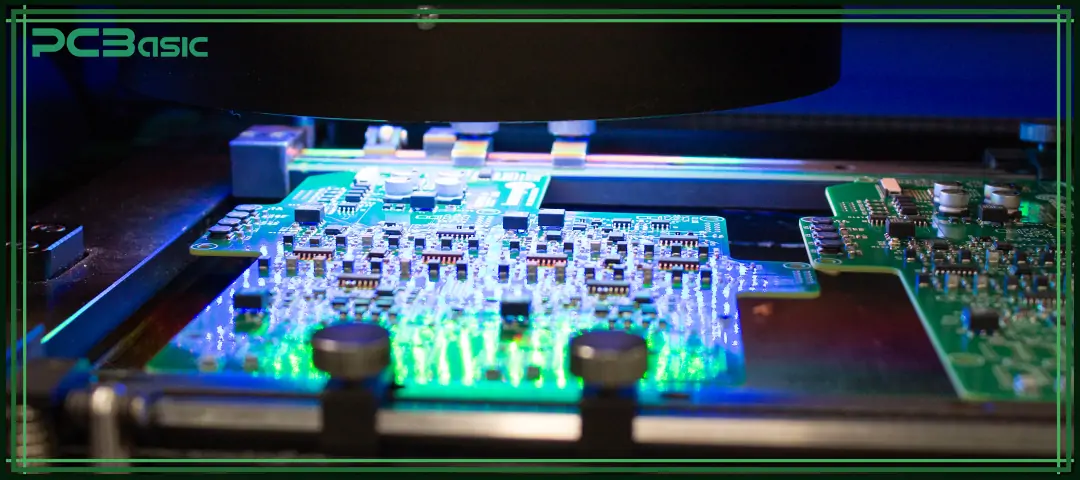
The optical inspection system first takes
a photo of the PCB and then compares it with the standard board (such as the
"golden board" or CAD data). Any differences will be marked as
defects.
The AOI machine for PCBs used in the SMT
production line is very common. It can perform automated quality inspection
without human intervention.
To put it simply:
• Automatic Optical Inspection: Using machines
instead of human eyes to check if there are any problems with the boards.
• Automated Optical Inspection: Not only is it
conducted by machines, but it is also faster, more stable, and less prone to
defects.
Importance of AOI
1. Guarantee PCB Quality
The main purpose of automatic optical
inspection (AOI) is to ensure consistent product quality. With the use of an
AOI machine, problems can be identified earlier during the production process,
thus preventing major issues from arising later.
Compared with manual inspection,
automated optical inspection equipment is more stable and less prone to errors.
It can also ensure that every PCB meets the quality standards.
2. Support Complex Design
The current PCBs generally have the following
features:
• Fine-pitch components: The spacing between the
components is very small.
• BGA and CSP packages: Many chips are packaged with
solder joints at the bottom.
• High-density layout: There are many components on
the board, and the circuits are closely packed together.
These designs are difficult to identify
problems through visual inspection. However, an optical inspection system can
detect those small issues that are invisible to the naked eye. Therefore, in
high-end electronic products, an AOI test is necessary.
3. Reduce Cost and Improve Efficiency
Spotting the problems earlier means:
• Less rework: No need for repeated repairs
• Lower scrap rates: Fewer defective boards
• Faster production cycles: Higher production
efficiency
By integrating automatic inspection into the production line, companies can significantly improve Efficiency while
reducing overall manufacturing costs.
Principle Work of AOI Test
The principle of AOI testing (AOI test)
is actually quite simple: "Take a picture, then compare."
The following is the general process of
automatic optical inspection:
1. Image
Acquisition
Take clear photos of the PCB using the
AOI machine.
2. Lighting
Illumination
Use special lighting to illuminate the
weld points and components, making them clearer to see.
3. Image
Processing
The automated optical inspection
equipment uses software to analyze these images.
4. Comparison
Compare the captured images with the
standards, for example:
• "Golden
Board"
• CAD
Data
• Predefined
Standards
5. Defect
Detection
As long as there are any differences,
they will be marked as issues.
Through these steps, the optical
inspection system can complete the automated quality inspection quickly and
stably.
About PCBasic
Time is money in your projects – and PCBasic gets it. PCBasic is a PCB assembly company that delivers fast, flawless results every time. Our comprehensive PCB assembly services include expert engineering support at every step, ensuring top quality in every board. As a leading PCB assembly manufacturer, we provide a one-stop solution that streamlines your supply chain. Partner with our advanced PCB prototype factory for quick turnarounds and superior results you can trust.
Types of Cameras for AOI Test
Streaming Video
Streaming video cameras can continuously
perform inspections and are typically used in online automatic optical
inspection systems that operate in real time on production lines.
Advantages:
• Real-time monitoring
• Suitable for high-speed production
Still Image Camera System
Still image systems can capture
high-resolution pictures.
Advantages:
• Higher Accuracy: Able to observe more
precisely and accurately
• Better for Detailed Defect Analysis:
Easier to detect minor issues
Both cameras are indispensable in the
current AOI machine for PCB manufacturing.
Types of Lighting Systems Used
for AOI Test
The light source plays a very crucial part in optical inspection.
LED Lighting
In automated optical inspection, LED lighting is the most common
type, and its characteristics include:
• Long lifespan
• Stable brightness
• Energy efficient
Fluorescent Lighting
It is also used in some automatic
inspection systems, mainly:
• Wider coverage: Can cover a
larger area
• Lower cost: Overall, it
is cheaper.
Infra-red or Ultraviolet Lighting
Some more advanced automated optical
inspection equipment will use infrared or ultraviolet light for inspection:
• Hidden defects: Problems that
are usually not noticed
• Surface contamination: The dirt or
residue on the surface of the board
Methods to Program an AOI System
Use of “Golden Board”
A golden board is a standard PCB that has
been confirmed to be problem-free and can be directly used as a reference
sample.
When conducting AOI tests, the AOI
machine will compare each new board with it to check
if there are any differences.
Algorithm-Based Programming
The current optical inspection systems
mainly rely on these algorithms to identify issues:
• Pattern recognition: Determine if the image is the same as the standard.
• Machine learning: The more you
use it, the smarter you become, and the more accurate your recognition becomes.
• Rule-based detection: Judge
according to the pre-set rules.
As a result, automatic optical inspection
will not only be smarter but also more flexible.
Types of Defects AOI Can Check
For
Component Defects
The AOI machine (AOI machine for PCB) used for PCB can detect:
• Missing components
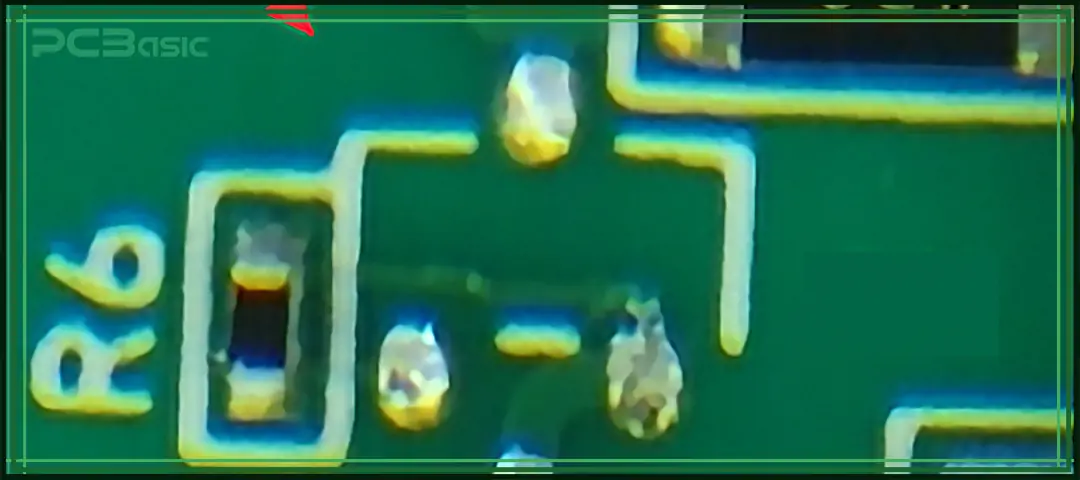
• Wrong components
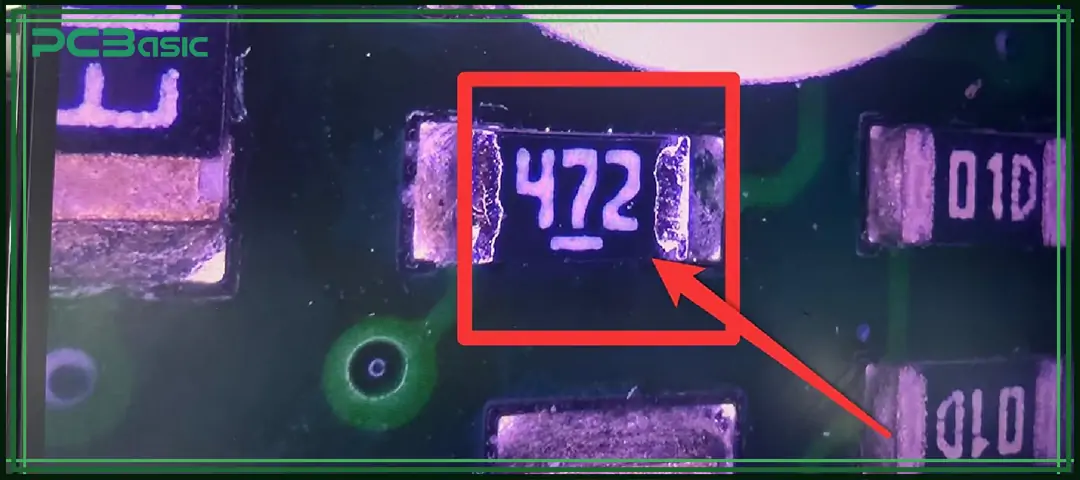
• Misalignment
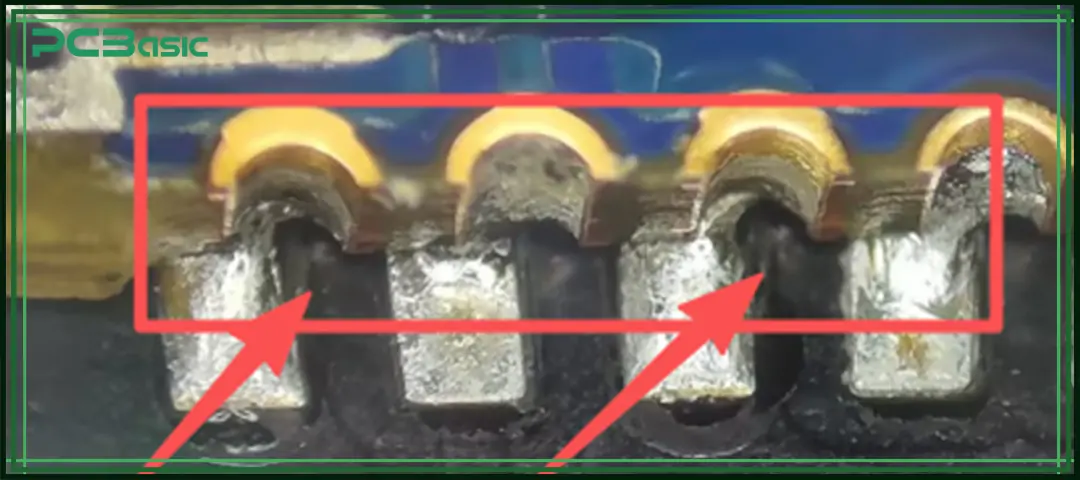
• Polarity errors
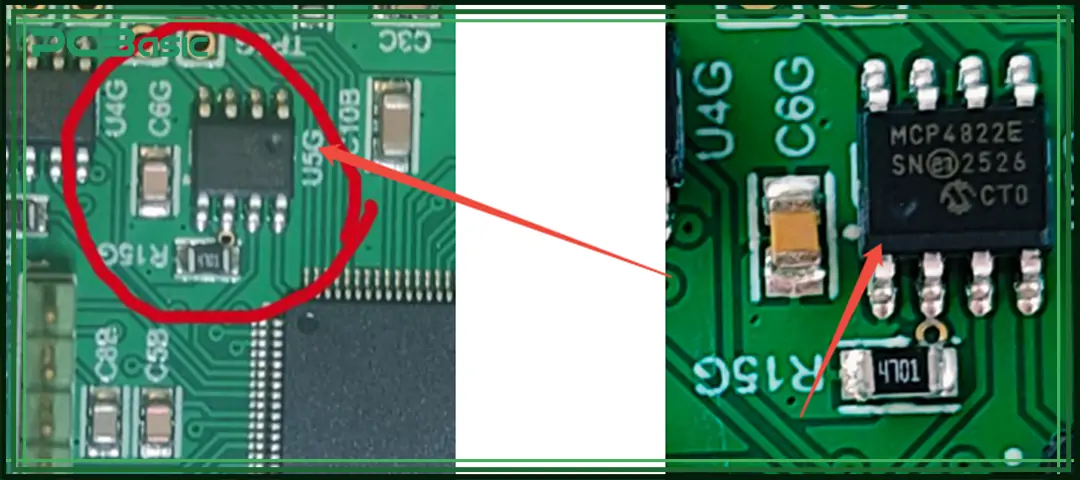
Soldering Defects
Automated optical inspection can mainly
detect the following soldering issues:
• Solder bridges: The two
solder joints are now connected.
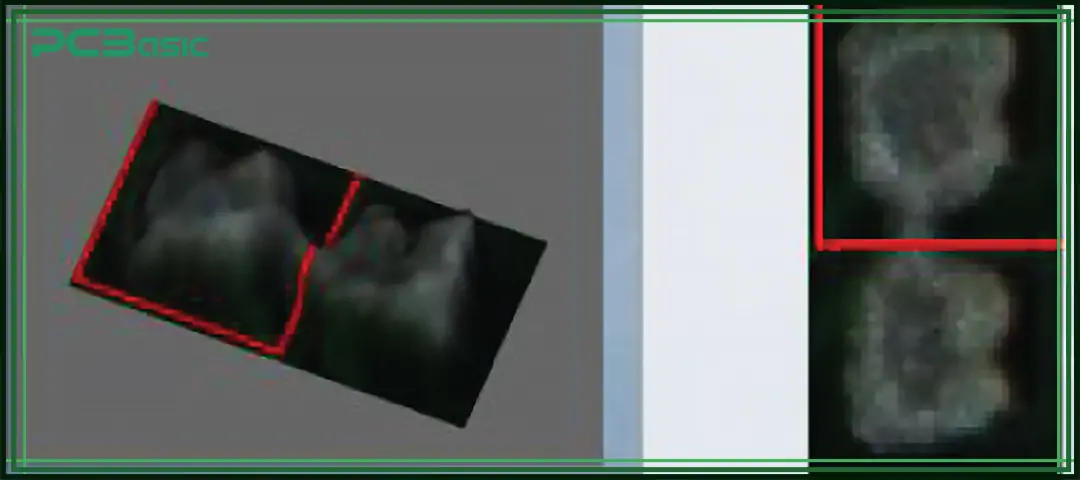
• Insufficient solder: There isn't
enough tin, and the solder joints are not secure.
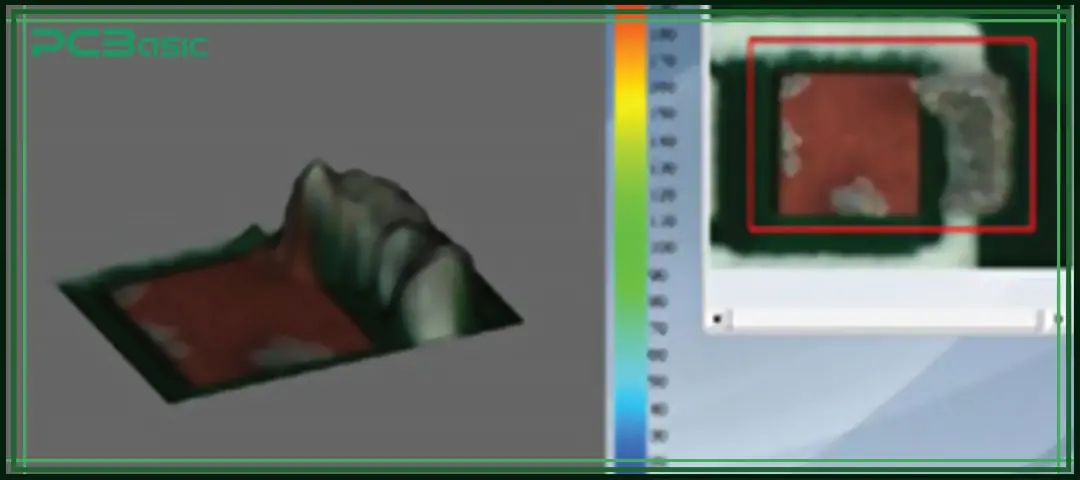
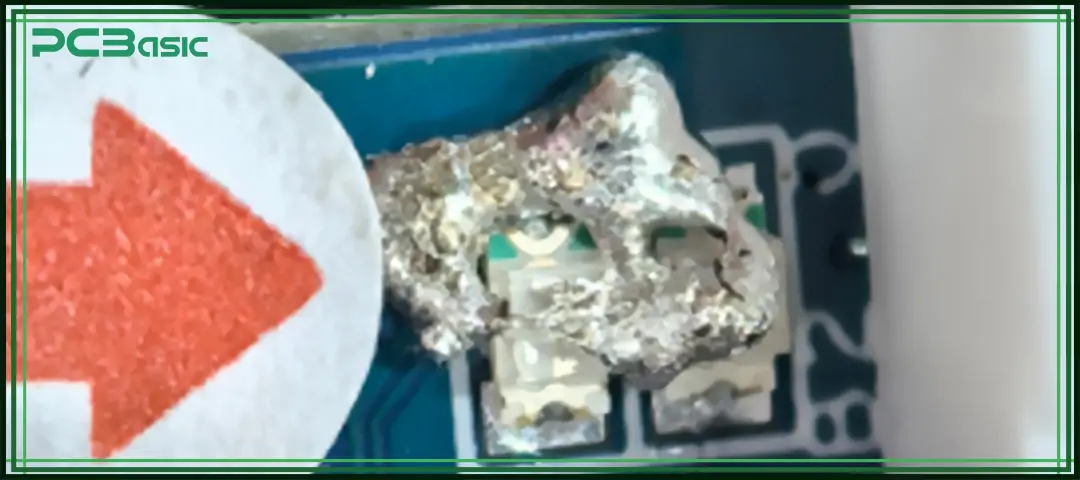
• Excess solder: Too much tin
can easily cause a short circuit.
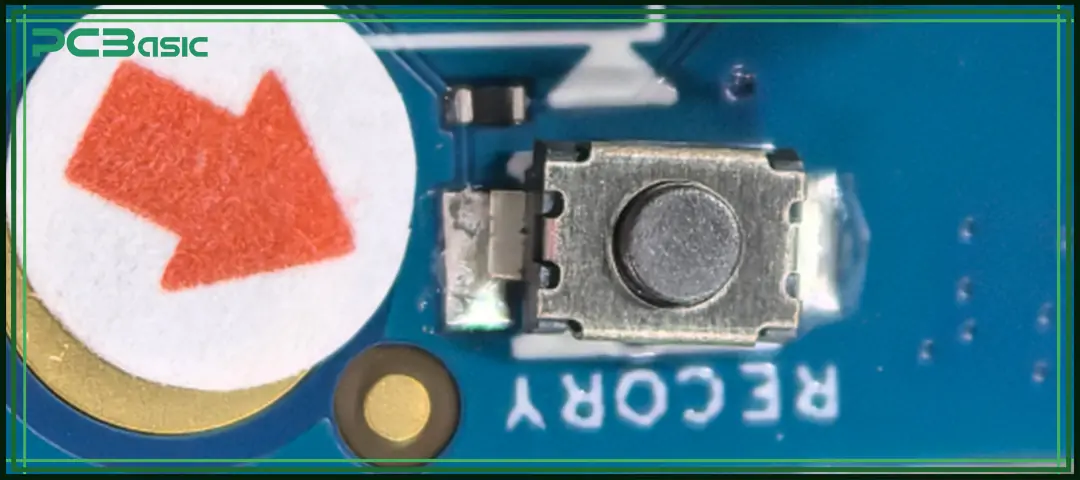
• Cold joints: The solder
joints were not properly welded, resulting in poor conductivity or instability.
BGA and CSP Defects
Some issues are hidden within, but the
advanced automatic optical inspection systems still detect them, for example:
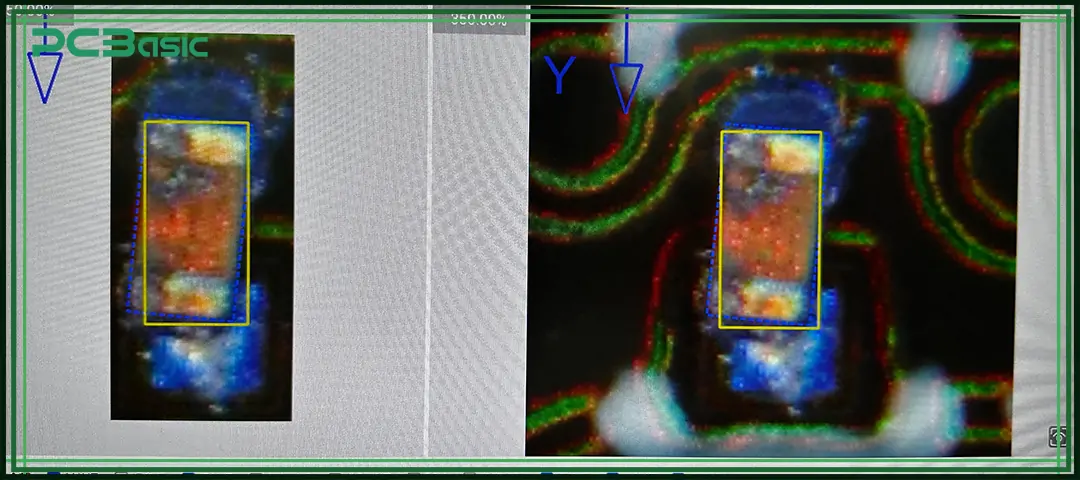
• Placement errors: The
components are placed in the wrong positions.
• Surface anomalies: There are
abnormal conditions on the surface of the board.
They usually combine the AOI test (AOI test) with other detection
methods if one wants to conduct a more thorough investigation,
Advantages of Automatic Optical
Inspection
The advantages of using automatic optical inspection are as
follows:
• High speed
• Consistency
• Accuracy
• Scalability
AOI equipment (AOI machine) is a key component in the current process of automated quality
inspection.

How Does AOI Compare with Other
Inspection Methods?
Automatic X-ray Inspection (AXI)
Automated X-ray Inspection (AXI) is
mainly applied to detect
problems that are hidden and cannot be seen with the naked eye, especially
those issues beneath BGA
components.
Make a simple comparison:
• AOI test: Check if
there are any problems on the surface.
• AXI: To check
if there are any issues with the internal structure.
Automatic Laser Test (ALT) Measurement
Automatic Laser Test (ALT) is mainly used
to measure the height and shape of components.
Compared with optical inspection, ALT is
more specialized, but the scenarios it can be applied to are not very
extensive.
In-Circuit Testing (ICT)
Online circuit testing (In-Circuit
Testing, ICT) mainly checks whether there are any electrical problems in the
circuit.
In simple terms:
• automatic optical inspection: Examine the
appearance issues.
• ICT: Look at the
circuit problem
Manual Visual Inspection (MVI)
Manual Visual Inspection
(MVI) is done by
having people conduct the inspection.
Compare with automatic optical inspection:
• Slower: Can't keep up
with the speed
• Less consistent: The results
vary from person to person.
• Higher error rate: Easy to miss
detection or make incorrect judgment
Conclusion
In current electronic manufacturing, automatic optical inspection
is a necessary component.
From understanding what AOI is (what is
AOI), to grasping how the AOI equipment (AOI machine for PCB) conducts AOI
testing, it can be seen that it is extremely crucial for product quality.
By integrating the optical inspection system with other automatic
inspection methods, a complete set of automated quality inspection solutions
can be established.
As PCBs become increasingly complex, the demand for automated
optical inspection equipment (AOI equipment) will also grow significantly.
Choosing the right AOI equipment can bring:
• Higher quality
• Lower costs
• Greater production efficiency
In simple terms, automatic optical inspection is the most crucial
part of PCB quality control nowadays, and it is also an important means to
ensure the stable and successful production of products.