
Global high-mix volume high-speed PCBA manufacturer
9:00 -18:00, Mon. - Fri. (GMT+8)
9:00 -12:00, Sat. (GMT+8)
(Except Chinese public holidays)





HomePage > Blog > Knowledge Base > Through-Hole PCB Assembly Services: What Affects Cost and Lead Time?
1. What Should a Through-Hole Assembly Quote Include?
2. What Drives Through-Hole Assembly Costs?
3. What Determines the Production Lead Time?
4. How to Compare Quotes on the Same Basis
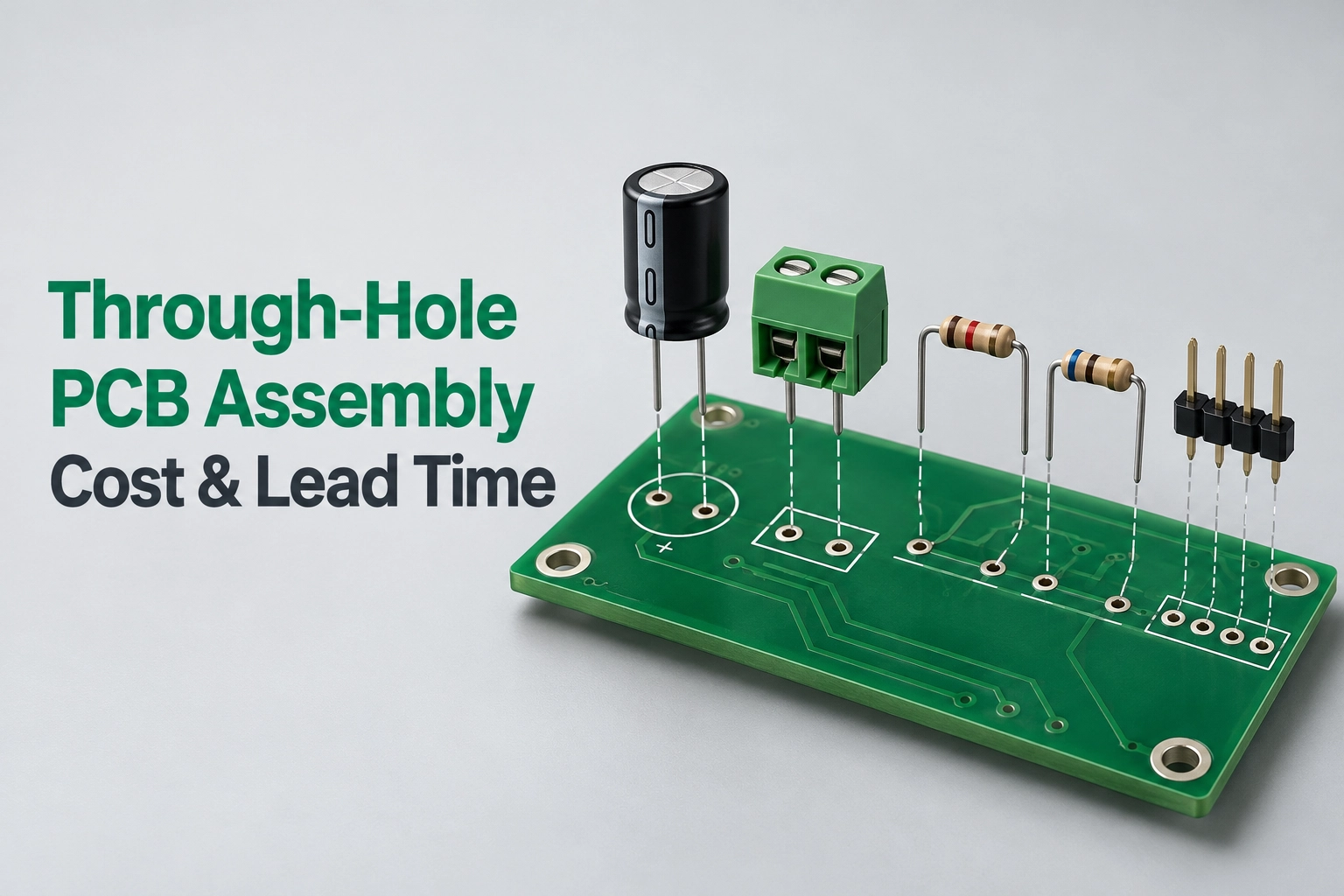
However, sourcing a reliable through hole PCB assembly factory comes with distinct pricing structures and scheduling variables compared to automated SMT lines. Whether you are dealing with a pure through hole circuit board or a complex mixed-technology design combining SMT and through hole assembly, understanding the cost drivers and lead times is vital for accurate budgeting and project planning.
In this guide, we break down what goes into a through hole PCB assembly quote, what drives expenses, and how manufacturers like PCBasic streamline through hole mounting without compromising quality.
When evaluating through hole PCB assembly quotes, transparency is everything. A professional through hole PCB assembly manufacturer should provide a granular breakdown rather than a single lump sum. Look for the following line items in your quote:
• Engineering & DFM Review: Initial checks on your Gerber files, drill files, and bill of materials (BOM) to catch layout or clearance issues before production.
• PCB Fabrication Cost: If you require a turnkey service, the bare through hole printed circuit board fabrication charges should be itemized by layer count, material (e.g., FR-4), and surface finish.
• Component Sourcing / Material Cost: Pricing for electronic parts, including any reel, cut-tape, or bulk packaging fees for through hole electronic components.
• Setup and Tooling Fees: Non-recurring engineering (NRE) charges, which often cover wave soldering pallet design, custom fixture making, or stencil preparation for mixed assemblies.
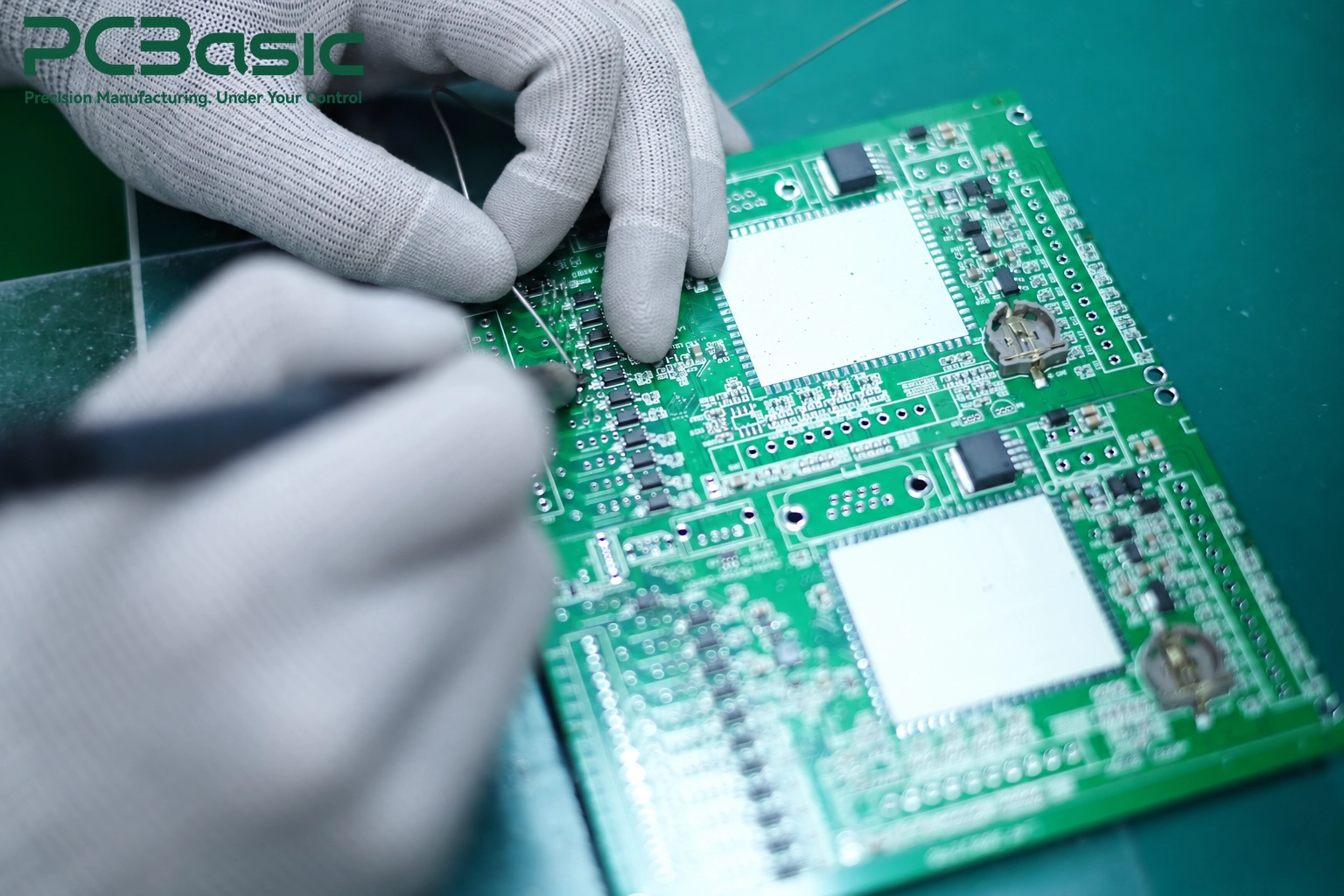
• Assembly / Labor Charges: Calculated per pin or per insertion. This reflects whether manual through-hole soldering, selective soldering, or wave soldering is deployed.
• Testing and Inspection Fees: Automated Optical Inspection (AOI), X-ray for hidden joints, and functional or flying probe testing to ensure compliance.
Engineers and buyers often wonder why a through hole PCB assembly cost can fluctuate significantly between projects. Several core factors influence the bottom line:
|
Cost Driver |
How It Impacts Pricing |
|
Component Lead Count & Density |
Through hole mounting is inherently more labor-intensive than SMT. The total number of leads requiring insertion and soldering directly dictates labor hours. |
|
Soldering Method |
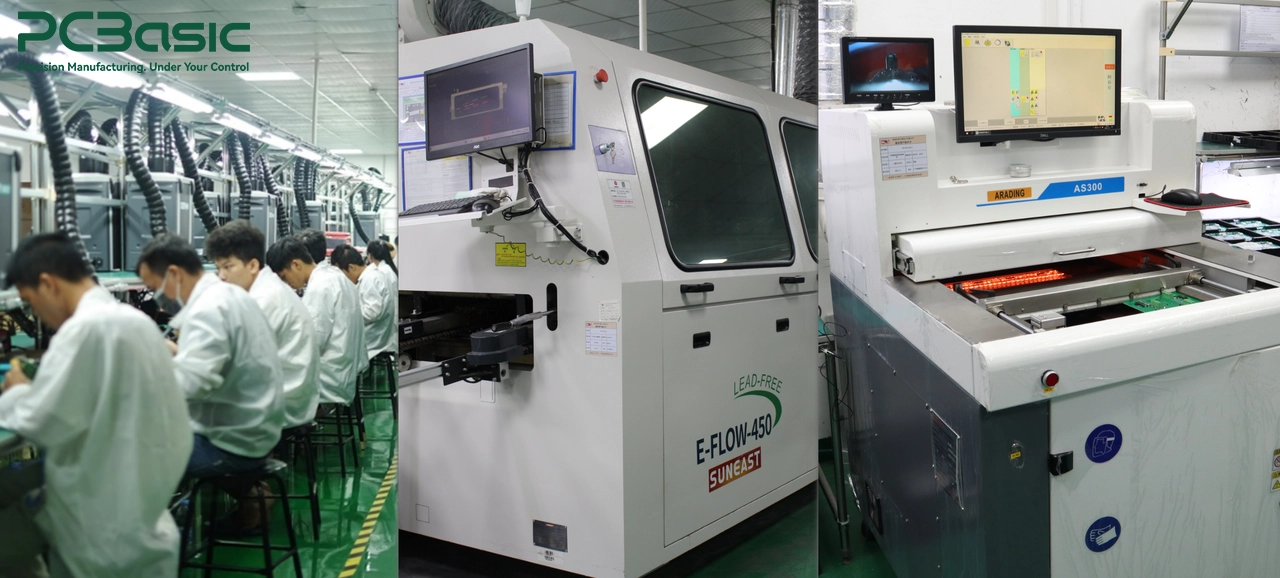
High-volume production utilizes wave soldering for cost efficiency. Low-volume prototypes or dense dual-sided boards requiring selective or manual hand through-hole soldering will incur higher labor overhead. |
|
BOM Complexity & Sourcing |
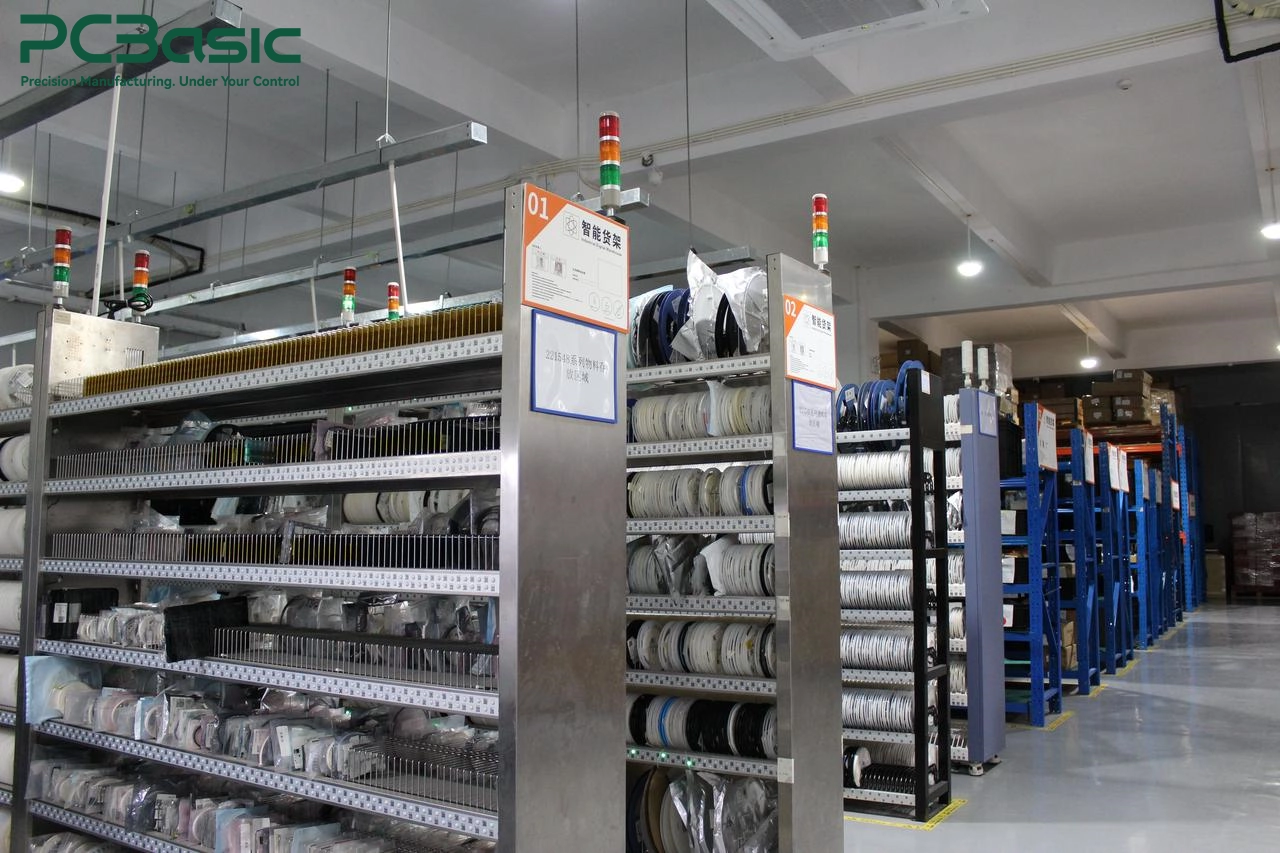
Hard-to-find or obsolete through hole electronic components require specialized broker channels, increasing procurement overhead. Advanced smart-warehouse systems (such as those used at PCBasic) mitigate this risk by minimizing picking errors. |
|
Mixed Technology (SMT + THT) |
Combining surface mount components with through hole technology PCB designs requires multiple production stages (e.g., SMT reflow first, followed by manual or wave insertion for THT), adding process steps. |
|
Inspection Requirements |
Stringent medical or automotive standards requiring rigorous AOI, visual checks, and specialized X-ray testing add to the quality assurance overhead. |
Time-to-market can make or break a product launch. When planning your schedule with a through hole PCB assembly service, keep these timing factors in mind:
1. Component Procurement (The Biggest Bottleneck): If your through hole components have long lead times or require factory allocation, production cannot start. Turnkey providers with integrated component supply chains can dramatically compress this phase.
2. Fixture and Pallet Preparation: Wave soldering requires custom wave solder pallets or masks to shield sensitive SMT areas. Creating these fixtures takes time, though experienced factories maintain rapid in-house mechanical setups.
3. Production Scheduling & Volume: Quick-turn prototype runs can often ship in just a few days, whereas medium-to-high volume batch orders require scheduled line allocation on specialized DIP/THT production lines.
4. Testing Protocols: Comprehensive testing pipelines (like ICT or functional testing) add hours or days depending on test script readiness and fixture complexity.
Advanced manufacturing facilities—such as PCBasic—utilize streamlined digital workflows, intelligent warehousing, and dedicated SMT/DIP lines to ensure stringent order timeliness without sacrificing rigorous quality checks.
When sourcing quotes from multiple through hole PCB assembly manufacturers, "apples-to-apples" comparison is essential to avoid hidden fees later. Use this checklist:
• Verify the Bill of Materials (BOM): Ensure all vendors are quoting the exact same manufacturer part numbers (MPNs) and quantities, including acceptable alternates.
• Clarify NRE and Tooling: Check if fixture and stencil costs are a one-time fee or if they recur on re-orders.
• Check Quality Standards: Confirm what testing is included in the base price. A cheaper quote that excludes AOI or IQC component inspection often results in expensive field failures later.
• Evaluate Turnkey vs. Consigned: Decide whether you are supplying the parts (consigned) or outsourcing full component procurement (turnkey), as this shifts inventory management risk to the factory.

Mastering the economics and scheduling of a through hole PCB assembly service requires balancing labor intensity, component sourcing, and test requirements. By partnering with an experienced through hole PCB assembly factory equipped with advanced DFM analysis, robust IQC systems, and agile production lines, engineering and procurement teams can optimize both cost efficiency and turnaround time.
Ready to optimize your next project? Ensure your manufacturing partner offers full transparency, rigorous quality control, and scalable support from prototype to volume production. Contact PCBasic to discuss your through-hole PCB assembly requirements and request a quote based on your BOM, Gerber files, order quantity, and testing needs.
Q1: Is through hole assembly still necessary today?
A: Yes. Heavy parts like transformers and power connectors need the mechanical strength of through hole mounting.
Q2: How can I reduce my through hole PCB assembly cost?
A: Standardize lead pitches, minimize SMT/THT mixing, and optimize layouts for wave soldering instead of manual soldering.
Q3: What is needed for accurate through hole PCB assembly quotes?
A: Submit complete Gerber files, a full BOM with MPNs, assembly drawings, and target quantities to your through hole PCB assembly manufacturers.

Assembly Enquiry
Instant Quote
Phone contact

+86-755-27218592
In addition, we've prepared a Help Center. We recommend checking it before reaching out, as your question and its answer may already be clearly explained there.
Wechat Support

In addition, we've prepared a Help Center. We recommend checking it before reaching out, as your question and its answer may already be clearly explained there.
WhatsApp Support

In addition, we've prepared a Help Center. We recommend checking it before reaching out, as your question and its answer may already be clearly explained there.
