In the field of electronic manufacturing,
single-sided PCBs have always been the most widely used and cost-effective
solution. Although now there are many more complex multilayer boards, in some
products with simple structures and requiring large-scale production,
single-layer PCBs are still widely used due to their affordability, simplicity
in production, and stability performance.
Whether you are a novice in PCB design or
a purchasing agent looking for a single-sided PCB manufacturer, it is vital to understand how a 1-layer PCB operates. This guide will help you learn
the structure, materials, applications,
and design considerations, and make a simple comparison with double-sided
circuit boards.
What is a
single-sided PCB?
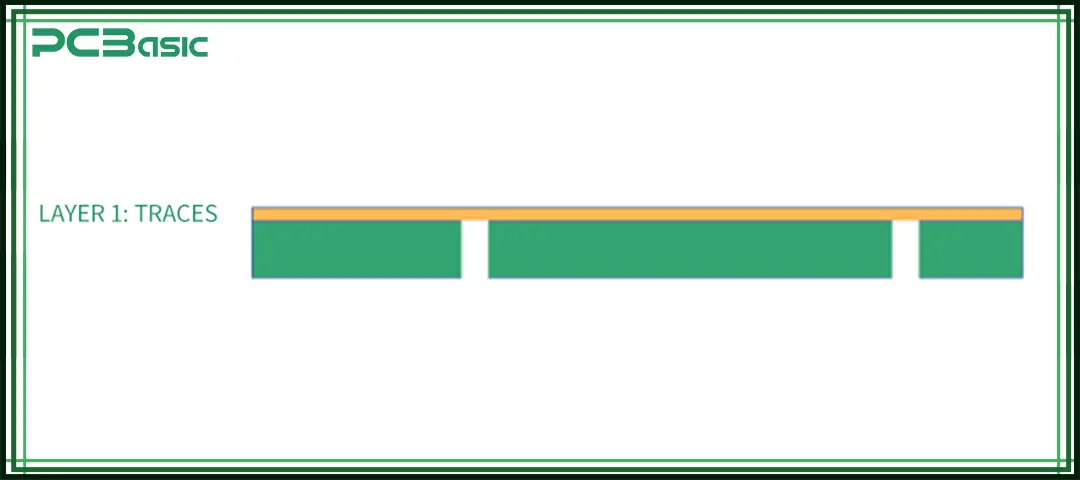
A single-sided PCB (also known as a single-layer PCB
or 1-layer PCB) is the simplest type of circuit board: only one side has copper
circuits for conducting electricity, while the other side is used for placing
components.
On a single-sided PCB, all the traces are laid out on
the same side. This makes the design simpler, but compared with a double-sided
circuit board, it can accommodate fewer circuits and is not as suitable for
complex circuits.
The key features of a single-sided PCB:
• Only one copper layer.
• Components are mounted on only one
side.
• No plated through holes for connecting different layers.
• Simple routing.
Also, due to these characteristics, single-sided board assembly is simpler to
carry out and faster during the process,
making it highly suitable for high-volume production.
What is the
Core Component of a Single-Sided PCB?
The structure of a single-sided PCB is actually not
complicated, but each layer has its own function; the circuit cannot function
properly without any of the layers.
1. Substrate /
Base Material
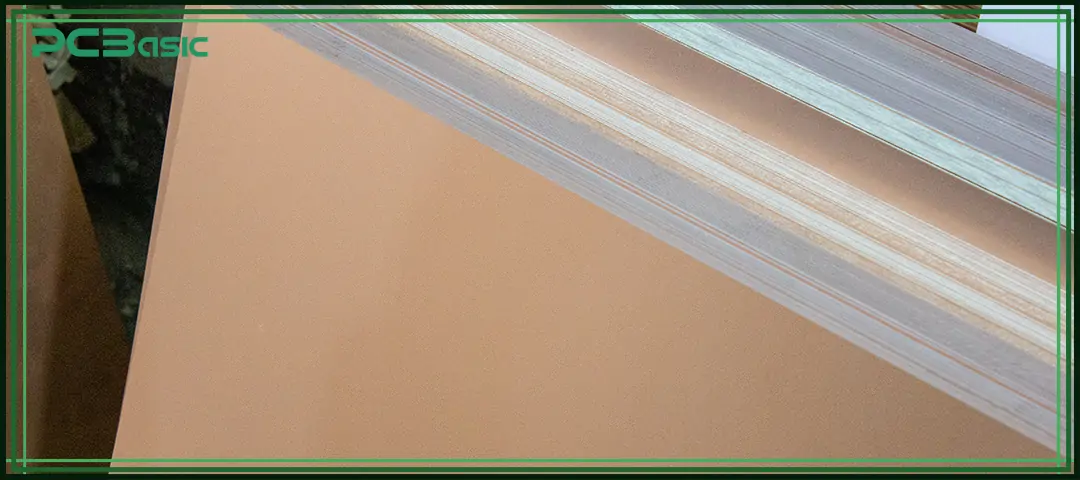
It is usually made of FR-4 or phenolic materials,
mainly to serve as a "supporting plate". In a single-layer PCB, it
influences the rigidity and heat resistance of the board.
2. Copper Layer
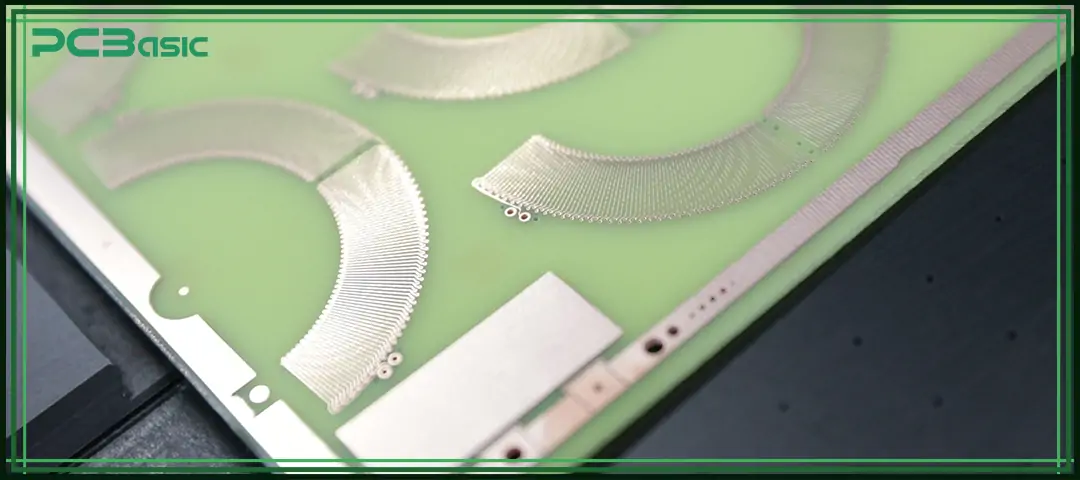
This is the layer where the power lines are located.
All the circuits are here. Since the 1-layer PCB has copper only on one side,
the wiring needs to be planned and cannot be freely crossed.
3. Solder Mask
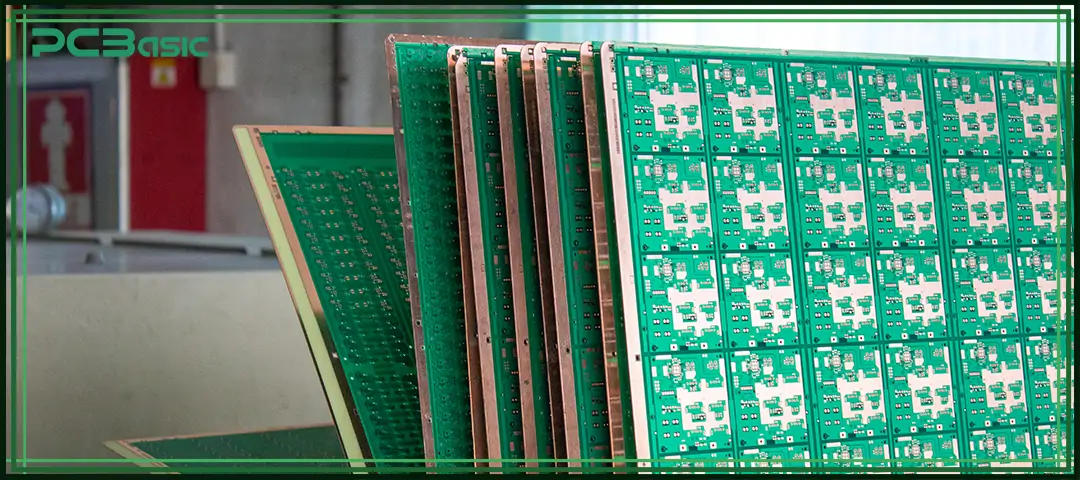
This layer is placed on top of the copper layer,
mainly to prevent oxidation and short circuits. Even for a single-sided PCB,
this layer is crucial and directly affects the stability of the board.
4. Silkscreen
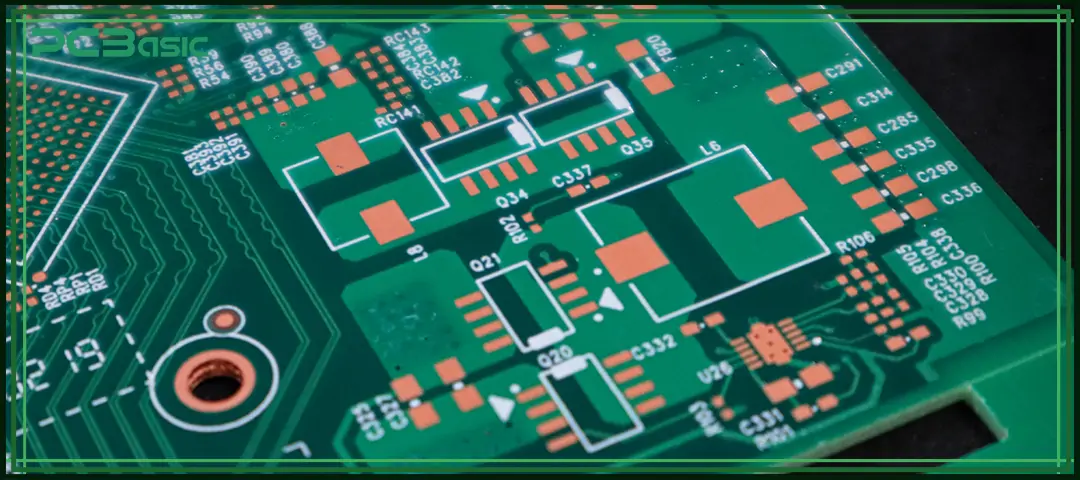
It is used to mark the positions,
orientations, and some textual explanations of the components, making it easier
to understand when performing single-sided board assembly and reducing the risk
of incorrect assembly.
Single-Sided
PCB Pros and Cons

Pros
Simplicity
The main advantage of a single-sided PCB
is that its structure is very simple. Compared with a double-sided circuit
board, it doesn't require via, making the design much
easier and the production more
convenient.
Low Density
A single-layer PCB is suitable for
circuits with relatively simple wiring. It is sufficient for use in some basic
products.
Cost-Effective
Single-sided PCB manufacturers can
produce these boards at a very low cost, mainly
because:
• Fewer materials
• Simpler fabrication
• Faster processing
Hence, the 1-layer PCB is particularly
suitable for projects with limited budgets.
Faster Turnarounds
Because the process is simple and a
single-sided PCB can be produced quickly, both for prototyping and high-volume production, they can be delivered faster.
High Reliability
With fewer layers and a simpler
structure, and without complex features like through-holes, the probability of
problems occurring in single-sided PCBs is lower, making them more stable in
performance.
Cons
About PCBasic
Time is money in your projects – and PCBasic gets it. PCBasic is a PCB assembly company that delivers fast, flawless results every time. Our comprehensive PCB assembly services include expert engineering support at every step, ensuring top quality in every board. As a leading PCB assembly manufacturer, we provide a one-stop solution that streamlines your supply chain. Partner with our advanced PCB prototype factory for quick turnarounds and superior results you can trust.
Limited Component Density
A single-layer PCB is not suitable for
complex circuits. Compared with double-sided circuit boards, it has fewer lines
that can be routed, and there is not enough space.
Lack of Design Flexibility
All the lines are on one side. There are
many limitations during the design process, and there is no flexibility in how the lines can be arranged.
Heat Dissipation Challenges
Because there is no multi-layer structure
to spread heat, the heat
dissipation capacity of a single-sided PCB is relatively weaker.
Less Suitable for High-Performance
Applications
For circuits like high-speed and
high-frequency ones, multi-layer boards or double-sided circuit boards are commonly required. Single-sided PCBs are not suitable for these applications.
Signal Integrity and Power Issues
In terms of impedance control and power distribution,
the capabilities of a 1-layer PCB are relatively limited.
Features and Design
The features of a single-sided PCB are very simple, namely "easy to manufacture and high
efficiency". They are mainly reflected in:
• Straightforward routing paths
• Minimal layer stack up
• Easier
to conduct inspections on a single-sided board assembly
• Reduced risk of manufacturing defects
Also, because of these merits, many engineers prefer to work with single-sided PCB
manufacturers when they are developing simple products and conducting large production.
Overview of
the Single-Sided PCB Manufacturing Process

Compared with double-sided circuit
boards, the production process of single-sided PCBs is much
simpler. It generally contains the following steps:
1. Material Preparation —Select the base material for a single-layer PCB.
2. Copper Cladding — Attach a layer of copper to one side.
3. Circuit Patterning —Place the designed circuitry onto the 1-layer PCB.
4. Etching —Remove the excess copper and keep only the required
wiring.
5. Drilling —Drill holes for the component pins (if necessary).
6. Solder Mask Application —Put a layer of protection to prevent short
circuits.
7. Silkscreen Printing—Mark the positions and labels of the components.
8. Surface Finish—For example, HASL or ENIG.
9. Inspection and Testing—Check for any problems.
10. Single-sided board assembly—Mount the components and solder them in place.
Because the process is simple,
single-sided PCB manufacturers can reach more efficiently and reduce costs more easily.
Single-Sided
PCB Specifications
|
Specification
|
Details
|
|
Base
material
|
FR-4,
CEM-1, CEM-3
|
|
Board
thickness
|
0.4
mm to 3.2 mm
|
|
Copper
weight
|
1
to 2 oz/ft²
|
|
Line
width and spacing
|
200
µm typical, 100 µm minimum
|
|
Layer
count
|
1
|
|
Surface
finish
|
LF
HASL, OSP, immersion tin, immersion silver, ENIG
|
|
Recommended
finish
|
LF
HASL or OSP
|
|
Solder
mask colors
|
Green,
white, black, blue, red, yellow
|
Application
of Single-Sided PCB
Single-sided PCBs are widely used. It is applied in many industries, such as:
• Consumer electronics, like calculators, radios
• Power supplies
• LED lighting
• Household appliances
• Some simple
control modules in the car
Because of the low price, many companies,
when conducting large-scale production, will choose single-sided PCB
manufacturers to do the job. What’s more, single-sided
board assembly is relatively simple, requires fewer personnel, and has a lower
overall cost.
Design Tips
for Single-Sided PCB
When designing a single-sided PCB, it is
best to think out these key points from the beginning:
1. Optimize Routing
Because a single-layer PCB has only one layer
for routing, it is best to avoid having the lines interfere or cross with
each other.
2. Use Jumpers When Necessary
Can use wires or jumper cables to solve
it.
3. Keep Layout Simple
The 1-layer PCB is more suitable for simple designs. The simpler it is, the easier it is to manufacture and the more stable it will be.
4. Consider Heat Management
You could leave more space between them or apply some measures to make it easier for the heat to escape.
5. Choose the Right Manufacturer
Seek a reliable single-sided PCB manufacturer, because their products offer better quality and are more convenient to handle.
6. Plan for Assembly
It is necessary to consider when designing how to carry out single-sided board assembly when designing, so that the production process can be smoother.
Single-Sided
PCB vs Double-Sided PCB
|
Feature
|
Single-Sided PCB
|
Double-Sided Circuit Board
|
|
Layers
|
1
(single-layer PCB)
|
2
|
|
Complexity
|
Low
|
Medium
|
|
Cost
|
Low
|
Higher
|
|
Routing
|
Limited
|
More
flexible
|
|
Applications
|
Simple
electronics
|
Complex
circuits
|
|
Assembly
|
Easy
(single-sided board assembly)
|
More
complex
|
Single-sided PCBs are more suitable for
simple circuits; for more complex applications, double-sided circuit boards
would be more flexible and easier to design.
Conclusion
Single-sided PCBs have always been a very
basic and commonly used technology in electronic manufacturing. It has a simple
structure, is cheap, and is stable to use. Therefore, many
products prefer to use it, particularly when choosing
a reliable single-sided PCB manufacturer to do the job, which makes things much
more efficient.
Although it is not as
powerful as double-sided circuit boards
or multilayer boards, single-layer PCBs are still indispensable in many
electronic products. As long as the design is done well and combined with
smooth single-sided board assembly, a 1-layer PCB is fully sufficient in many spots and performs quite well.