The rigid PCB is a type of PCB used in modern electronic systems. It is
stable and durable enough for applications from consumer electronics devices to
industrial control systems.
A rigid PCB has a fixed shape and can’t be bent. This is the main
difference from flexible circuit boards. And this rigid structure allows it to
be more durable, stable, and reliable.
Because of its reliability and durability, Rigid PCB fabrication remains
popular in multiple industries. Whether for prototype production or for mass
production, a thorough understanding of the material, characteristics, and
manufacturing processes of rigid PCBs is a precondition when it comes to selecting
the right rigid PCB supplier.
What Is a Rigid
PCB?
A Rigid PCB (Rigid Printed Circuit Board) is a solid, non-flexible board. It is used as a
substrate to set electronics components with conductive copper traces
connecting them. Generally, these rigid circuit boards act as a solid foundation for all of
the electronic components needed to form a product.
A typical rigid PCB board usually consists of:
· Base
substrate (commonly FR-4 or other rigid PCB material)
· Copper
layers for circuit routing
· Solder
mask for insulation
· Silkscreen
for component identification
A rigid PCB material cannot be bent once
fabricated, while a flex one can. Because the shape is fixed, rigid printed circuit
boards are widely used in applications that require strong
mechanical strength and an integrated structure.

Materials Used in Rigid
PCBs
The materials used
determine most of the performance of a rigid PCB; besides, they also impact the
thermal resistance and rigid PCB reliability testing results to a
large extent.
1. FR-4 (Most Common Rigid PCB Material)
FR-4 is a
fiberglass-reinforced epoxy laminate. It offers:
· Good insulation
properties
· Robust mechanical
strength
· Cost-effectiveness
· Stable performance
FR-4 is now regarded
as a standard material for rigid PCB fabrication in many rigid PCB factories.
2. High-Tg Materials
High glass
transition temperature materials are used in applications that require high
thermal resistance. This kind of material can increase the pass rate of rigid PCB
reliability testing, especially in automotive and industrial electronics.
3. High-Frequency Materials
For RF and
high-speed applications, engineers usually choose laminates with controlled
dielectric properties as rigid PCB material.
4. Metal-Core Substrates
For LED lighting and power electronics, use
metal-core rigid circuit boards because they will help improve heat dissipation
and the durability of the boards.
All in all, the choice of rigid PCB
material will directly affect the performance of the final product. Different
materials perform differently in terms of thermal resistance, dielectric
stability, moisture resistance, and mechanical strength. The proper material helps achieve comprehensive
improvement for a rigid PCB.
Types of Rigid
PCBs
The rigid printed
circuit boards can be divided into the following types:
1. Single-Layer Rigid PCB
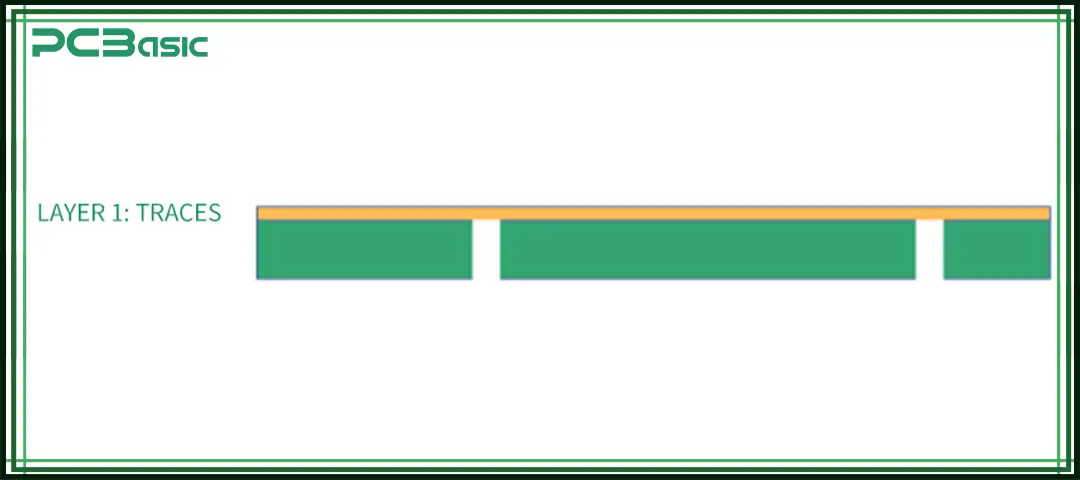
This type of rigid
circuit board contains just one copper layer. It is cost-effective and commonly
used in simple electronics.
2. Double-Sided Rigid PCB Board
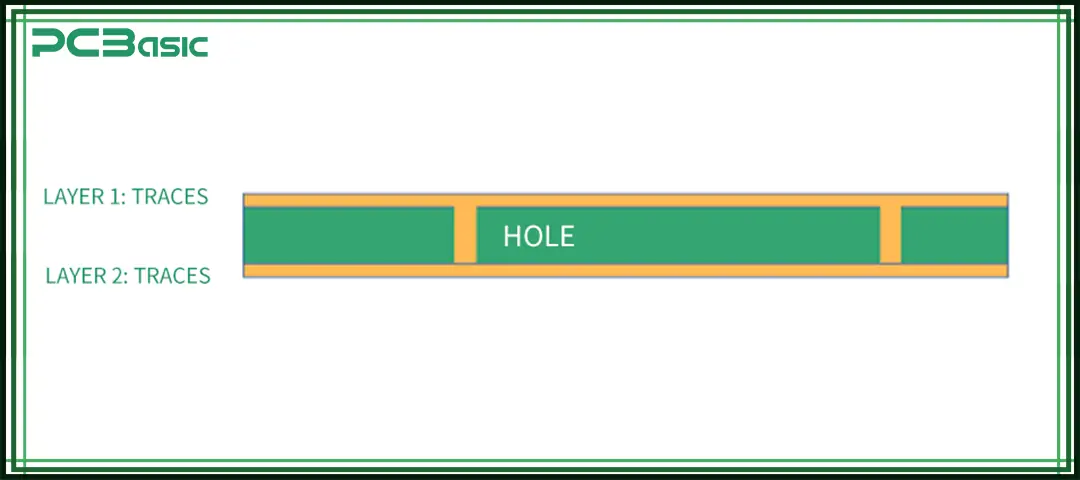
This type of rigid PCB
board has copper layers on both sides. It can carry complex circuit layouts.
3. Multilayer Rigid PCB
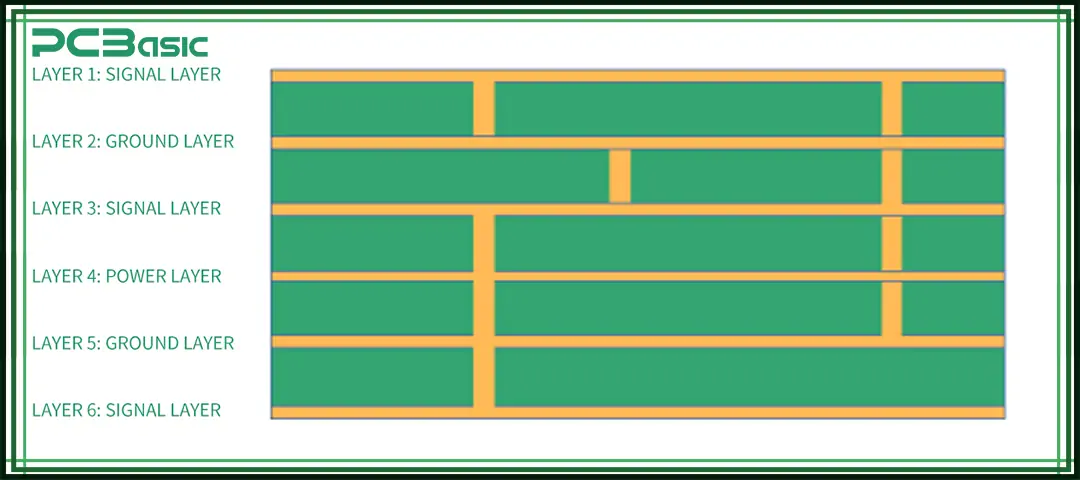
A multilayer rigid circuit board consists
of three or more copper layers. They are laminated together in an advanced rigid PCB fabrication process. The final multilayer rigid PCB is
used in high-density electronic systems such as industrial control and
computing systems.
Features of a Rigid PCB
Rigid PCBs have a lot of
advantages. The most important features are as follows:
Mechanical Stability
A rigid board can
maintain its original shape even under high mechanical stress, thus it can
provide strong mechanical support for the devices.
High Component Density
Multilayer rigid
printed circuit boards can set more components on one room-limited board, so it
is an ideal choice for complex layouts and compact products.
Cost Efficiency
Compared to flexible
circuits, rigid PCB fabrication is more cost-effective because its
manufacturing process is more standardized.
Electrical Reliability
A well-managed rigid PCB reliability
testing process helps screen out defective products, and it can
ensure the overall performance of the final boards.
Long Service Life
The rigid PCBs with proper material
can withstand thermal cycles and environmental stress, and this enables them to
maintain long-term use without distortion.
About PCBasic
Time is money in your projects – and PCBasic gets it. PCBasic is a PCB assembly company that delivers fast, flawless results every time. Our comprehensive PCB assembly services include expert engineering support at every step, ensuring top quality in every board. As a leading PCB assembly manufacturer, we provide a one-stop solution that streamlines your supply chain. Partner with our advanced PCB prototype factory for quick turnarounds and superior results you can trust.
Rigid PCB
vs Flex PCB
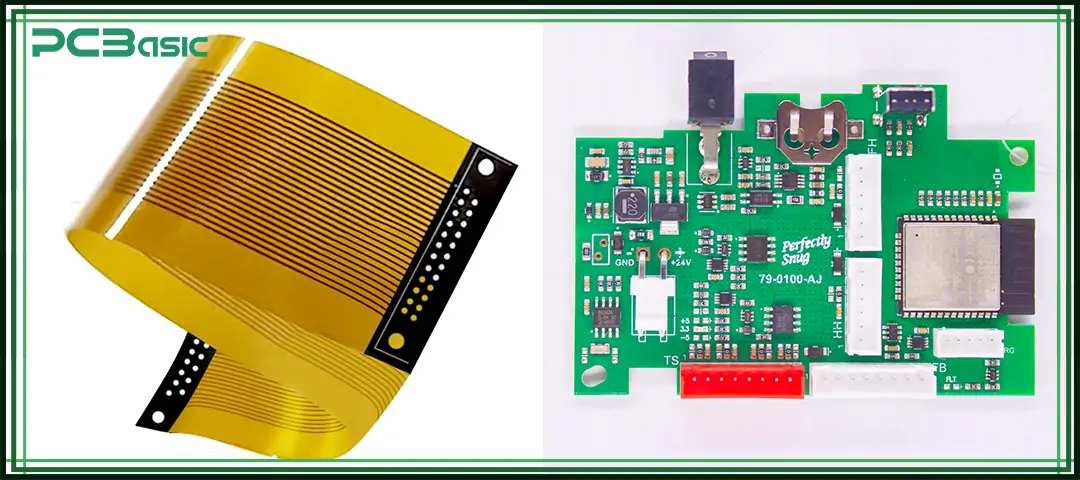
The difference between rigid PCB and flex PCB lies in the following aspects:
|
Feature
|
Rigid PCB
|
Flex PCB
|
|
Structure
|
Solid and
non-bendable
|
Flexible and bendable
|
|
Durability
|
Mechanically
stable
|
Suitable
for dynamic movement
|
|
Cost
|
Generally lower
|
Higher material cost
|
|
Installation
|
Fixed
mounting
|
Space-saving
and adaptable
|
|
Application
|
Industrial, consumer
electronics
|
Wearables, compact
devices
|
For applications that demand a fixed structure and simple assembly
processes, rigid printed circuit boards are a more proper option. The
solid structure provides strong mechanical support and helps offer reliable
electrical performance.
When selecting
between rigid
PCB and flex PCB, there are lots of factors that should be taken
into account, such as installation space, mechanical strength,
application scenarios, and cost.
Rigid PCB
Manufacturing Process
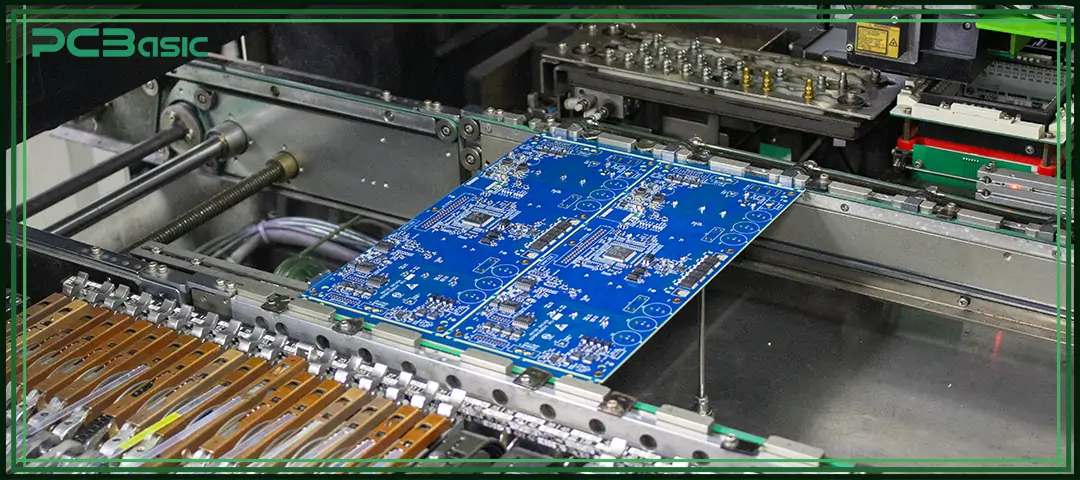
The whole rigid PCB
fabrication process consists of many steps. Each step contributes to the
quality and performance of the final board. They are:
1. Design & Engineering Review
First of all,
examine Gerber files and check DFM to ensure that the data is correct and avoid
the potential production risks.
2. Material Preparation
Select the right PCB
material according to the expectations of the final board. There can be various
choices, but remember the key parameters, such as copper weight, should be the
same as the design specifications.
3. Inner Layer Imaging
Put the layouts on the copper layer by using
imaging technology. These circuit layouts will finally determine
how electric current flows on the board.
4. Etching
Remove the excess copper and control the trace
width and spacing to fit the board layout.
5. Lamination
Laminate the layers of multilayer rigid circuit boards under high heat and pressure. This step makes the layers align properly and can definitely prolong the
service life of the board.
6. Drilling & Plating
Use a mechanical or laser tool to drill
holes in the board, and then plate the holes with copper to connect the
adjacent layers.
7. Solder Mask & Silkscreen
Applies a solder mask to the rigid PCB board.
This is a significant step to protect it from oxidation and short circuits. After
it, print silkscreen labels to mark components and guide the assembly process.
8. Surface Finish
Apply surface finishes such as HASL, ENIG, and
OSP to copper pads, which can protect it and help improve the solder joints of
the board.
9. Electrical Testing
Conduct comprehensive, rigid PCB testing
to see if the rigid board has a complete circuit connection and ensure that the
board works effectively.
10. Final Inspection
At last, the quality control teams should
inspect the boards comprehensively one more time. Only
boards that meet all standards are qualified for delivery.
Nowadays, many advanced rigid PCB
manufacturers also adopt automated inspection systems and
process monitoring technologies to ensure stable production quality and lower
defect rates.
Rigid PCB Uses in Modern Electronics
Due to its mechanical characteristics, rigid PCB is widely
used in modern electronic devices, which
shows its undeniable popularity in today’s electronics
manufacturing. It is commonly applied to the following industries:
1. Consumer Electronics
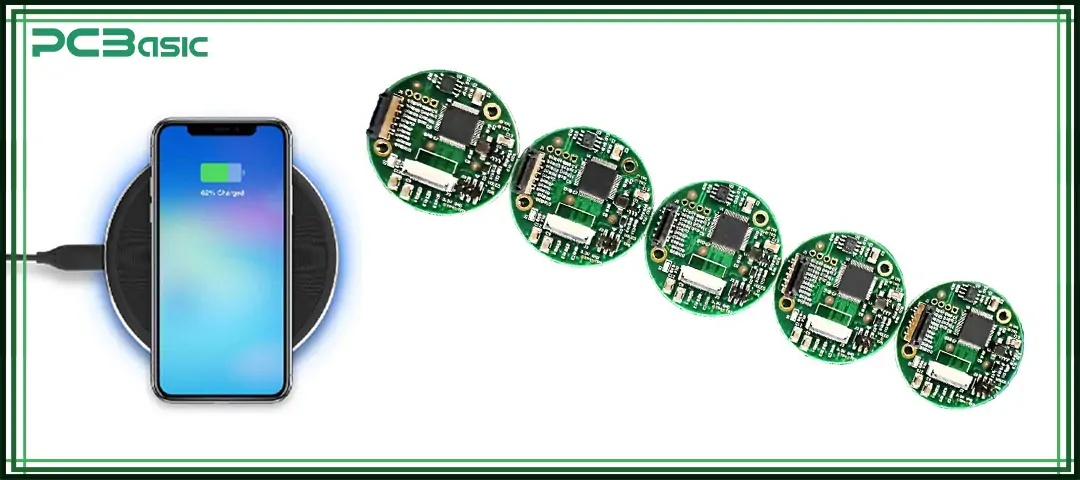
In consumer electronics, rigid printed circuit
boards are indispensable. They are usually applied to devices that possess a
fixed structure and value cost efficiency, such as smart TVs, home appliances,
and desktop computers.
2. Industrial Control Systems

Industrial control systems such as PLCs, automation equipment, and motor controllers are the application areas that require a strong, stable structure, and a rigid
board can provide the mechanical stress resistance they need.
3. Automotive Electronics
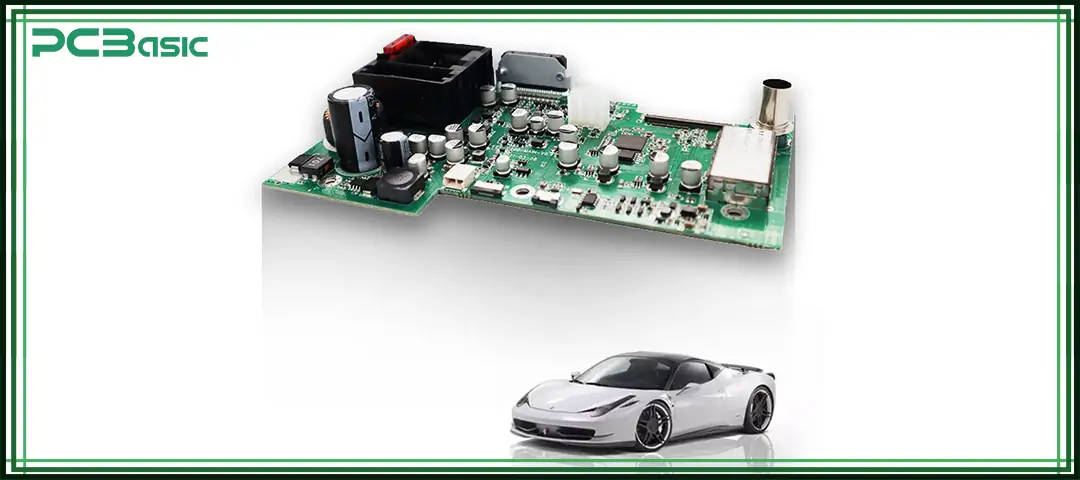
Rigid boards also play a role in automotive electronics. For example, a rigid board can be found in
engine control units and infotainment systems for the advantages of durability
and stability in the long run.
4. Medical Devices
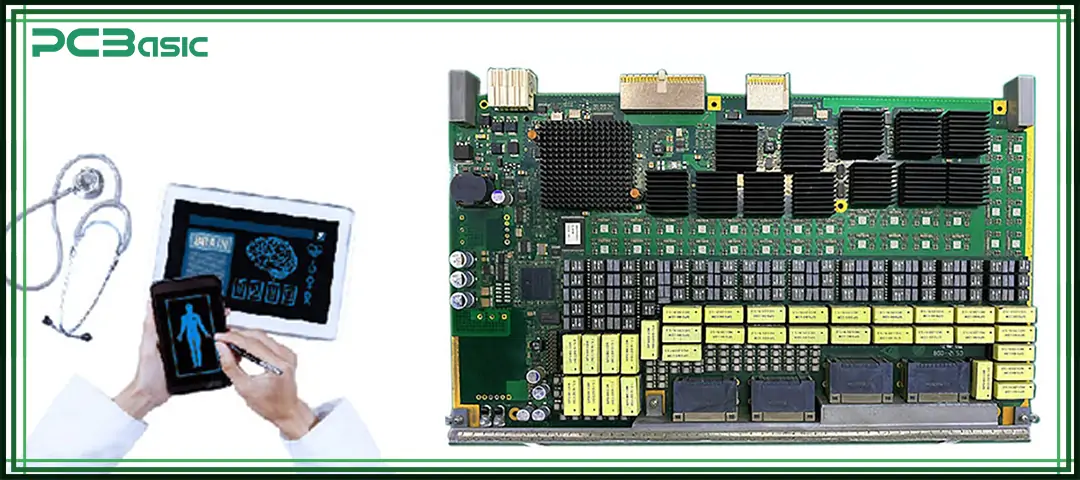
In medical devices, rigid printed circuit boards are often applied to diagnostic
equipment and patient monitoring systems. Here, the rigid boards serve as core
circuit platforms to ensure reliability and safety.
5. Telecommunications
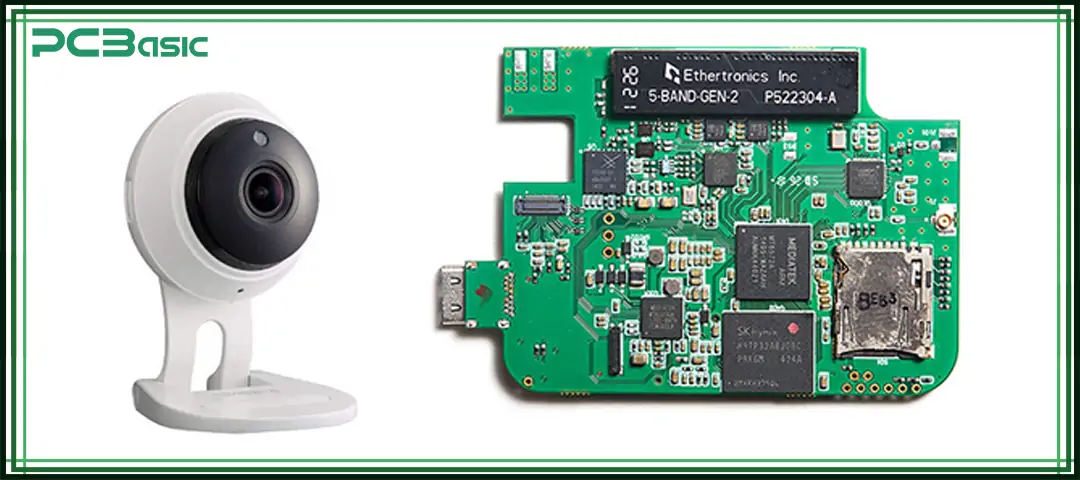
Telecommunication systems are the very
systems that need stable signal transmission. Luckily, the rigid printed
circuit boards can just provide the electrical stability they need.
Thanks to the mechanical strength and
durability, rigid printed circuit boards are still useful in systems that
demand high reliability and long-term stability.
Choose PCBasic for Your Rigid PCB Project
When it comes to high-quality rigid PCB solutions, the right manufacturing partner makes all the difference. PCBasic has over 15 years of experience in PCB and PCBA manufacturing, giving it proven
expertise in Rigid PCB manufacture.
PCBasic offers one-stop PCB service,
from raw material procurement to final testing and shipment. Supported by a
stable supply chain and professional production systems, PCBasic provides
solutions for projects from prototype design to complex rigid PCB production.
PCBasic put strong
emphasis on quality and consistency. Its quality management system conforms to
international standards such as ISO9001 and IATF16949, ensuring that every rigid PCB board meets performance expectations.
Advanced automotive equipment and an
intelligent production monitoring system enable PCBasic to maintain stable
output quality while supporting both small-batch and large-volume productions.
Its engineering team provides expert support throughout the project, helping
optimize schemes for design and manufacture.
Whether you need a design for a complex
rigid PCB or production, PCBasic offers help with flexible order quantities and
fast turnaround. This makes it an ideal choice for companies that need reliable
service, consistent quality, and end-to-end support for their rigid PCB
projects.

Conclusion
Despite the rapid updates of electronic
technology, rigid PCBs are still
important in electronic manufacturing because they are supported by stable rigid PCB material, advanced rigid PCB fabrication,
and thorough rigid PCB reliability testing.
Besides, figuring out the difference
between rigid
PCB and flex PCB, from material selection, manufacturing
processes, to application scenarios, helps engineers make the best choice for
electronic products.
If you are looking for a reliable rigid PCB
manufacturer or experienced rigid PCB supplier, PCBasic
can be your best match, as it can definitely ensure
you a qualified rigid PCB board both in performance and long-term
reliability.
FAQs
1. What is the difference between a rigid PCB and other
board types?
Unlike flexible or rigid-flex boards, a Rigid PCB has a fixed shape and is inflexible.
2. What is the most common material used in rigid PCBs?
FR-4 is the most common material used in rigid printed circuit
boards.
3. What does rigid PCB reliability testing include?
Rigid PCB testing process
includes tests on electrical connection, insulation resistance, and function.
4. Are multilayer rigid
circuit boards more expensive?
Yes, because multilayer rigid PCB fabrication needs additional lamination and drilling.
5. How to choose a reliable rigid PCB supplier?
Consider if the manufacturer has expert
technology, flexible manufacturing capacity, quality certifications, and a
well-established rigid PCB factory.