With the rapid development of compact electronic
products and wearable technology, the demand for flexible electronics has
increased significantly. One of the core technologies driving this trend is the
research and development of flexible PCB boards.
Unlike traditional rigid boards, flexible PCBs are a
type of printed circuit board that can be bent, folded and twisted while
maintaining stable performance. Based on this, Engineers can design electronic
products that are lighter, thinner and more durable. From smartphones and
medical sensors to automotive instrument panels and Internet of Things devices,
the application of flexible PCBs is almost everywhere.
This article will introduce what a flexible PCB board
is and compare it with a rigid-flex PCB. At the same time, it will explore its
materials and manufacturing process and demonstrate its application in actual
products.
What Is a
Flexible PCB?
Definition and
Structure
A flexible PCB board (also known as a flexible circuit
board or flexible printed circuit board) is a circuit board made of flexible
insulating materials, onto which copper traces are etched. This enables the
circuit boards produced to be installed in narrow spaces and meet the requirements
of electronic devices of different sizes.
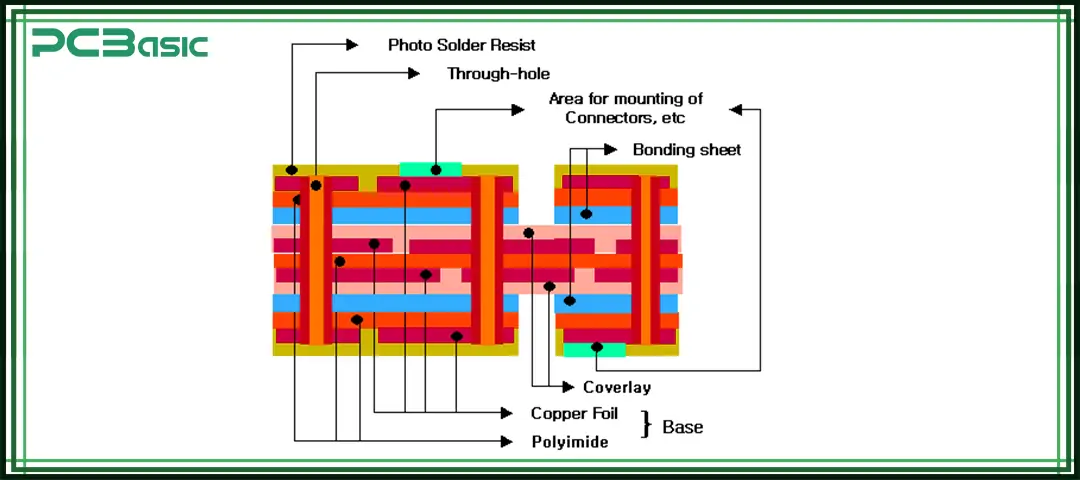
Structurally speaking, a typical flexible PCB mainly
consists of the following parts:
·Flexible substrate layer
·Copper conductive layer (copper conductive layer)
·Coverlay or protective film
·Adhesive bonding layers
This structure not only ensures good mechanical
flexibility but also maintains stable electrical reliability.
Key
Characteristics
Key features of a flexible PCB board:
·Lightweight and thin design
·Ability to fold or twist repeatedly
·High vibration and shock resistance
·Reduced need for connectors and cables
·Suitable for compact product designs
These characteristics make flexible PCB design
indispensable in modern miniaturized electronics.

Flexible PCB
Materials
Choosing proper flexible PCB materials is a guarantee
for performance. Materials used in flexible PCB include:
·Polyimide (PI): heat-resistant and stable
·Polyester (PET): low cost for flexible PCB prototype projects
·Copper foil: rolled annealed copper for flexibility
·Adhesives and coverlays for insulation and protection
Selecting which kind of material depends on multiple
factors, including the application environment, bending frequency, and
electrical requirements. For example, products used in high-temperature or
humid conditions should choose materials that can bear high temperature and
moisture, while products that will be repeatedly bent need materials that are
durable.
Comparison
between Rigid-Flex PCB and Flexible PCB
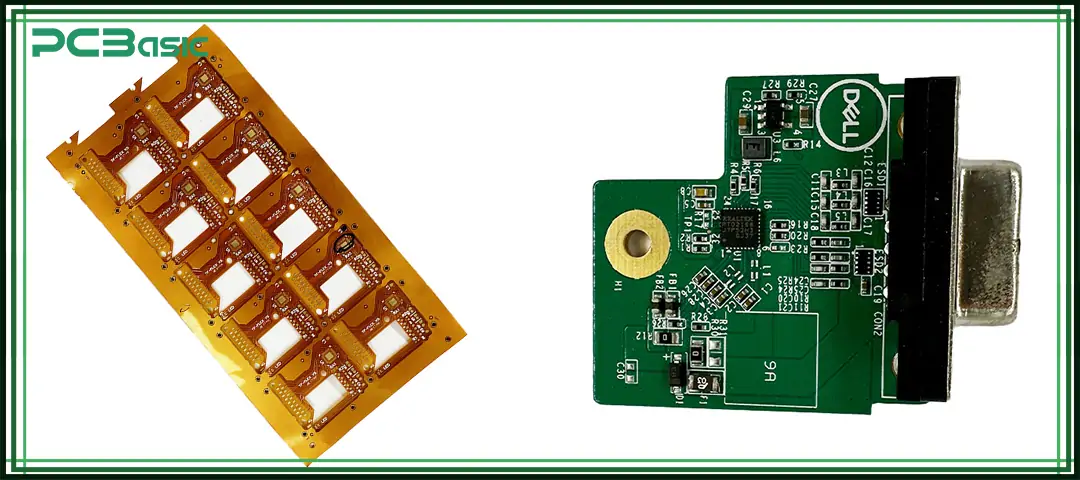
Differences between rigid-flex PCB and flexible PCB
are obvious. A rigid-flex PCB combines rigid sections and flexible sections
within a single circuit board, providing both stability and flexibility. A
flexible PCB board, conversely, is entirely flexible and can be bent casually.
The main differences between them:
·Structure
Rigid-flex PCB combines rigid and flexible materials
on the same circuit board, while the flexible PCB board does not have a rigid
substrate. The whole structure is fully flexible.
·Mechanical strength
Rigid-flex PCB combines rigidity and flexibility,
which can meet higher structure requirements and also has higher stability,
while a flexible PCB board pursues a higher bending degree.
·Design purpose
Rigid-flex PCB is mainly used for products with high
stability requirements, while the flexible PCB board is more suitable for
lightweight and compact products.
·Assembly and interconnection
Both rigid-flex PCB and flexible PCB boards have
simple wiring layouts, reducing reliance on traditional cable assemblies and
improving the reliability of products’ system.
Overall, rigid-flex PCB unites rigidity and
flexibility on one circuit board, offering flexibility while keeping stability.
The flexible PCB board, in contrast, has higher bending strength and helps save
space. The respective characters of the two can meet different requirements
from products. Which one to choose mainly depends on the product’s structure,
strength requirements and design complexity.
Current Types of
Flexible PCB
Single-Sided
Flexible PCB
A Single-sided Flexible PCB has just one copper layer.
It is simple, cost-saving, and widely used in LED strips and calculators.
Double-Sided
Flexible PCB
A Double-sided Flexible PCB has copper layers on both
sides, realizing higher line density and fitting more complex circuit layouts.
Multilayer
Flexible PCB
A Multilayer Flexible PCB consists of three or more
conductive layers. It is ideal for advanced medical devices and aerospace
electronics.
Flexible PCB
Manufacturing Process and Key Considerations
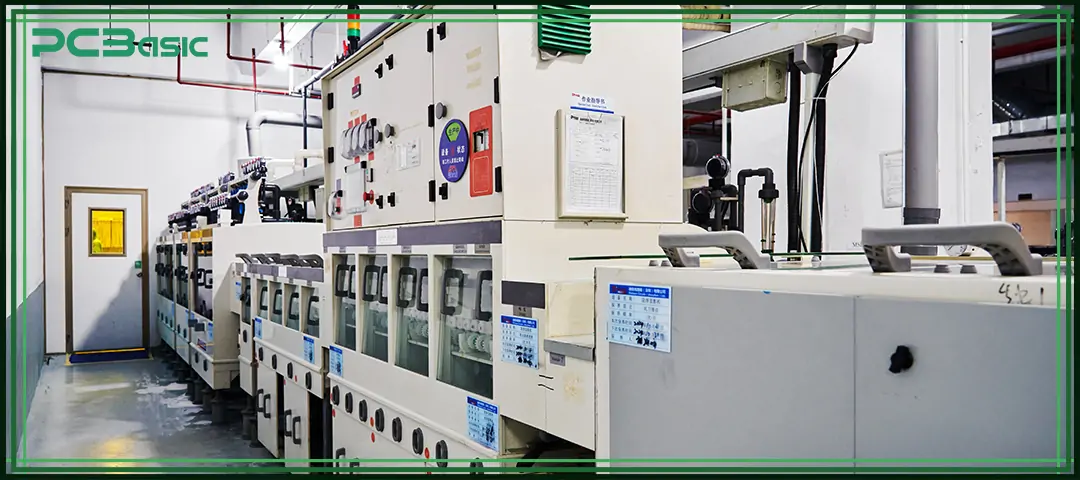
There is a series of precise and strict steps in the
flexible PCB manufacturing process to ensure electrical performance and
mechanical flexibility.
The main steps of the flexible PCB manufacturing
process include:
1. Material
preparation
Select proper flexible PCB materials such as polyimide
substrates to ensure the flexibility and stability of products.
2. Circuit
pattern imaging
Use photoresist coating and conduct UV exposure to glue
the circuit layout onto the flexible board, and then form the basic copper
circuit layout.
3. Etching copper
traces
Remove the redundant copper to form fine conductive
paths and ensure a reliable electrical connection.
4. Drilling or
laser cutting
Use a mechanical drilling machine or laser device to
make vias, holes, and board outlines, especially when it comes to complex
flexible PCB design.
5. Lamination and
coverlay application
Laminate insulating layers and coverlay films onto the
board to protect the copper circuit layout and thus improve the durability of
the device.
6. Surface finish
and inspection
Apply surface treatments technology such as ENIG or
OSP, and then conduct optical and electrical inspections. This step can ensure
the basic performance of the flexible PCB.
7. Flexible PCB
reliability testing
Each board will be checked under bending tests,
thermal cycling tests, and electrical performance tests to verify if it is
qualified.
Key
Considerations
During the flexible PCB manufacturing process, several
critical factors must be taken into account.
·Bending radius:
Design the minimum bending radius reasonably to avoid
copper layer cracking and material fatigue.
·Copper thickness:
A thin copper layer helps to enhance flexibility,
while a thick copper layer can increase current capacity. Choose the right one
according to the specific application needs and usage scenarios.
·Material selection:
The materials of flexible PCB will directly affect the
heat resistance, moisture resistance and mechanical life of the circuit board.
Therefore, this factor is of paramount importance.
·Long-term fatigue resistance:
For products that require repeated bending, it is
necessary to optimize the wiring layout and adopt reinforced structures
(reinforced structures) so as to resist mechanical stress during long-term use.
An entire understanding of the process to make a
flexible PCB is crucial for the stable and reliable performance of the finished
product. A well-flexible PCB manufacturing process can not only comprehensively
enhance the durability of the product, but also provide high-quality products
to fields such as medical devices, automotive electronics and wearable products
that call for high-quality requirements.
About PCBasic
Time is money in your projects – and PCBasic gets it. PCBasic is a PCB assembly company that delivers fast, flawless results every time. Our comprehensive PCB assembly services include expert engineering support at every step, ensuring top quality in every board. As a leading PCB assembly manufacturer, we provide a one-stop solution that streamlines your supply chain. Partner with our advanced PCB prototype factory for quick turnarounds and superior results you can trust.
Advantages and
Disadvantages of Flexible PCB
Advantages of
Flexible PCB
The main advantages of a flexible PCB board include:
·Low weight and volume
·High mechanical reliability
·Can improve airflow and heat dissipation
·Provide high design freedom
·Suitable for flexible PCB assembly and automation
These benefits make flexible PCB fabrication ideal for
modern electronics.
Disadvantages of
Flexible PCB
Despite many benefits, challenges also exist in
Flexible PCB:
·Higher cost compared to rigid PCBs
·The flexible PCB manufacturing process is more
complex
·Difficult to repair and rework
·Design rules for Flexible PCBs are stricter than
standard boards
Choosing an experienced custom flexible PCB
manufacturer can minimize these risks.
Flexible PCB
Applications
Consumer
Electronics
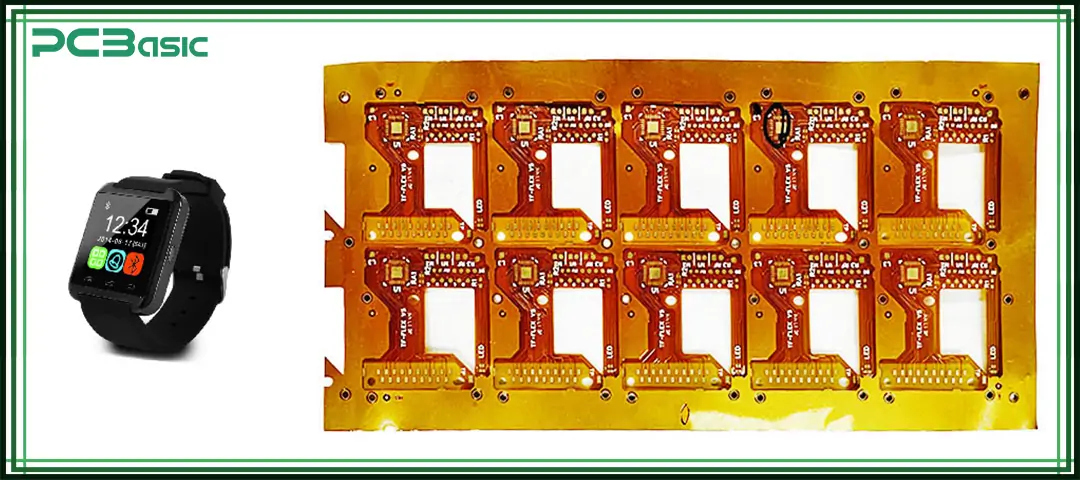
Smartphones, tablets, cameras, and many wearable
devices rely heavily on flexible PCB boards for their compact layouts and
folding designs.
Medical Devices
Implantable sensors and diagnostic equipment that
require lightweight and biocompatible materials need a flexible PCB.
Automotive and
Aerospace
Vibration-resistant rigid-flex circuit boards and
flexible circuits are sometimes applied in dashboard display and control
systems and navigation devices because they can maintain stable performance in
complex conditions.
Industrial and
IoT
Smart meters, sensors, and automation systems also
rely on flexible circuit manufacturers for their compact and reliable designs
of flexible PCBs.
Professional
Flexible PCB Solutions from PCBasic

As a leading PCB manufacturer and one-stop electronics
manufacturing service provider based in Shenzhen, PCBasic has more than 15
years of experience in the circuit board industry, offering professional and
reliable solutions for flexible PCB boards and comprehensive PCB services.
PCBasic’s capability of flexible and printed circuit
production ensures its comprehensive services in PCB design, fabrication, and
assembly. From early prototypes to large-scale production, PCBasic supports
customers with quality, speed, and consistency.
Core strengths of
PCBasic’s flexible PCB solutions include:
·One-stop PCB services covering flexible PCB design, flexible PCB
fabrication, flexible PCB assembly, component sourcing, and testing —
streamlining your entire project workflow.
·Advanced manufacturing systems, including intelligent production
management with CRM, MES, ERP, and IoT integration, which ensures efficient and
transparent project execution from prototype to mass production.
·Strict quality control with ISO9001, IATF16949, and ISO13485 certifications,
as well as comprehensive inspections throughout PCB fabrication and assembly,
which can meet high-standard performance requirements.
·Fast turnaround for flexible PCB prototypes and small-batch production,
helping shorten development cycles and accelerate time-to-market.
·Flexible order quantities, providing both small-batch prototype
production and large-scale production, can adapt to the needs of different
business scales.
With rich experience and professionalism in industries
such as consumer electronics, automotive, medical devices, industrial
electronics, and IoT systems, PCBasic delivers flexible PCB solutions according
to specific requirements, and definitely ensures durability, performance, and
reliability for customers’ electronic projects.
Conclusion
The flexible PCB board is now indispensable in modern
electronic design. Its invention makes it possible to produce lighter, smaller,
and more reliable devices. With proper flexible PCB materials, reasonable
flexible PCB design, and an optimized flexible PCB manufacturing process,
engineers can explore constant innovation in production.
Whether you need a flexible PCB prototype, a
Double-sided Flexible PCB, or a Multilayer Flexible PCB, cooperating with an
experienced PCB manufacturer and a custom flexible PCB manufacturer is
important for long-term success.
FAQs
Q1: What is the difference between a flexible PCB and
a rigid PCB?
A flexible PCB board can be bent and folded, while
rigid boards can’t.
Q2: Which industries adopt flexible PCBs the most?
Consumer electronics, medical devices, automotive,
aerospace, and IoT are the main areas that rely on flexible PCB applications.
Q3: Are flexible PCBs reliable?
Yes, with strict flexible PCB testing, they can
ultimately bear vibration, bending, and temperature changes.
Q4: Can I order custom flexible PCBs?
Yes. A custom flexible PCB manufacturer can provide
customized designs for prototypes or mass production.
Q5: Why choose a flexible PCB manufacturer in China?
A flexible PCB manufacturer in China offers
cost-efficiency, mature manufacturing systems, and has large-scale production
capacity.