Table of Contents
1.Why Does Industrial Automation Need More Than Basic PCB Assembly?
2.What Should Buyers Check in PCB Assembly Services?
3.How Does PCBA Manufacturing Connect to Box Build Integration?
4.Which Certifications and Quality Systems Matter?
5.How Should Buyers Compare EMS Partners Before Awarding the Order?
6.Conclusion
7.FAQs
If you are buying PCBA for an industrial automation project, what do you actually need at the very beginning? Your first request might probably be small: build a control PCB, source the BOM, or turn around a pilot lot, instead of asking for a complete product. Then when the work expands, the board has to fit into a machine module or enclosure; cables need a clean route; firmware may need to be loaded, etc.
This is often where the risk begins. We will find later-stage requirements mentioned before can be easily overlooked if a manufacturer only quotes for PCB assembly. PCBasic, a Chinese PCBA manufacturer, describes its service scope as a chain that includes PCB fabrication, component sourcing, PCB Assembly, functional testing, and box build assembly. For an industrial automation project, this chain can be equal to a repeatable manufacturing path, because a PCBA only has real value when it is built into the finished product and works reliably. We can almost say, industrial automation needs more than basic PCB assembly.
In the following article, we will figure out how to select an Electronics Manufacturing Services (EMS) partner for your industrial automation project.
Why Does Industrial Automation Need More Than Basic PCB Assembly?
In industrial automation electronics, many devices need to run for many years. The PCBAs used in these products may be installed in controllers, drives, sensors, communication modules, power equipment, HMI panels, machine modules, or inside the equipment. Buyers should consider the influence of long-term heat, machine vibration, repeated connector plugging and unplugging, field maintenance, and quality control in repeat orders. According to some real lessons learned by customers and engineers, problems, such as poor connector position, difficult cable routing, or parts that are hard to remove during maintenance, will probably come up after the board has been soldered and installed.
The Risk Is in the Handoffs
A basic PCB assembly quote often focuses on the middle of the job: solder paste, placement, reflow, and inspection. While industrial automation PCB assembly needs a wider check:
• The BOM has to be realistic.
• Critical parts need a sourcing plan.
• Test points cannot be blocked by the enclosure.
• Cables and connectors need enough space after the board is installed.
The more handoffs there are, the easier it is for details to get lost. This is especially true when fabrication, purchasing, SMT, testing, and box build are handled by separate vendors. To avoid this, before an order is awarded, ask at least two practical questions:
• How does the EMS team review the application?
• How does it record changes from prototype to batch production?
Revision Control Matters Over the Product Life
Automation products often have a long production lifecycle. During that time, a connector substitution, a board revision, or a firmware-related test update may affect the next production batch. These changes should not be handled only in emails or temporary notes. Clear records can prevent the team from wasting time later when tracing issues or clarifying responsibility.
Traceability supports revision control in this situation. In practice, MES records, IQC checks, first article inspection, and production tracking can help connect material lots, process steps, inspection results, and revision history to a specific batch. This makes it easier to check:
• which version was built;
• what parts were used;
• whether the same product can be repeated correctly in the next order.
These records also reduce the extra time needed to investigate problems and clarify responsibility.
What Should Buyers Check in PCB Assembly Services?
When it comes to choosing a PCB assembly partner, you might compare price per board or the equipment list at first. But remember that you're really buying process control and avoiding potential risk. There are always details to consider. Check the table below, you will get a quick way to connect product risks with the checks they should ask for before choosing a PCB assembly supplier.
|
Product or Project Risk
|
What Buyers Should Check
|
|
Fine-pitch components
|
Solder paste control, SPI, AOI, and clear inspection criteria
|
|
Power-related areas
|
Solder joint quality, thermal areas, and safe powered testing
|
|
Communication boards
|
Stable component sourcing and interface testing
|
|
Long-lead components
|
BOM review, sourcing plan, and approved alternatives
|
|
Products entering an enclosure
|
Test access, connector position, and cable routing after box build
|
|
Future production batches
|
Revision control, batch records, and traceability
|
Table 1. Product risks and checks in PCB assembly services
Component Sourcing Should Fit the BOM
In many industrial projects, the BOM decides the schedule before the first board is assembled. So we should reckon with components listed on the BOM. A single part, whether it is a long-lead IC, a relay, a connector, or a sensor, can slow the whole order down if it has sourcing risk. Make sure your EMS partner can review the BOM as early as possible, and specify whether components come from original manufacturer channels, authorized distributors, or existing stock.
Remember to record any of your purchasing decisions before confirming delivery, especially when there is an alternate part, or a part cannot be replaced. In PCBA manufacturing, component sourcing is one of the first quality decisions.
Testing Should Match the Application
SMT PCB assembly control may include SPI, AOI, X-ray, first article inspection (FAI). After assembly, PCBA electrical testing may also include flying probe testing and functional testing. For example, a controller with several ports may need interface checks, while a power-related board may need closer review of solder joints, thermal areas, and safe powered testing.
Ask the supplier what each inspection step is meant to catch. Each inspection or testing step has a different purpose:
• SPI checks solder paste before defects move downstream.
• AOI catches visible assembly issues.
• X-ray inspection helps check hidden solder joints.
• Flying probe testing verifies electrical connectivity, while PCB functional testing checks whether the PCBA performs as intended.
One thing to carry in mind: The important part is not a long test list; it is whether the result connects back to the production record.

How Does PCBA Manufacturing Connect to Box Build Integration?
Box build shows whether the PCBA can really fit and work inside the final product. A board may look fine at the board level, but issues such as blocked test points, tight cable routing, or poor connector access can still appear after installation.
For this reason, it is necessary for buyers to plan ahead, which means checking final assembly requirements and planning final testing before the build starts.
Design for Manufacturability (DFM) Review Should Include Final Assembly
Full turnkey PCB assembly works best when DFM review includes the final product, not just the Gerber files. PCB layout, component placement, connector access, test points, enclosure fit, and service needs all deserve a look. In an industrial enclosure, a connector placed a few millimeters too close to the wall can become a repeated assembly problem.
To make the DFM review useful, the supplier needs to see more than the board files. Where will the board sit? Which cables are added after PCBA? Is there a display, keypad, sensor module, or power input? Does the product need firmware loading, serial number labels, accessories, or special packing? The answers to these questions decide whether box build assembly services are simple assembly work or a controlled final production step.
Plan Final Testing Before Build
Final functional testing should be planned before the enclosure design is finalized. When a fixture needs access to a connector, pad, or programming port, the mechanical design should leave room for testing. For a powered test after installation, the EMS partner should define safe conditions and record a pass or fail result for the batch.
In short, a useful final test is not a copy of every field condition. It should confirm the functions that matter before shipment: input and output response, communication behavior, power-on status, firmware version, and basic load simulation when needed. Failed units should be separated, repaired, and recorded so the same defect is not repeated.
Which Certifications and Quality Systems Matter?
Certifications Show the Baseline
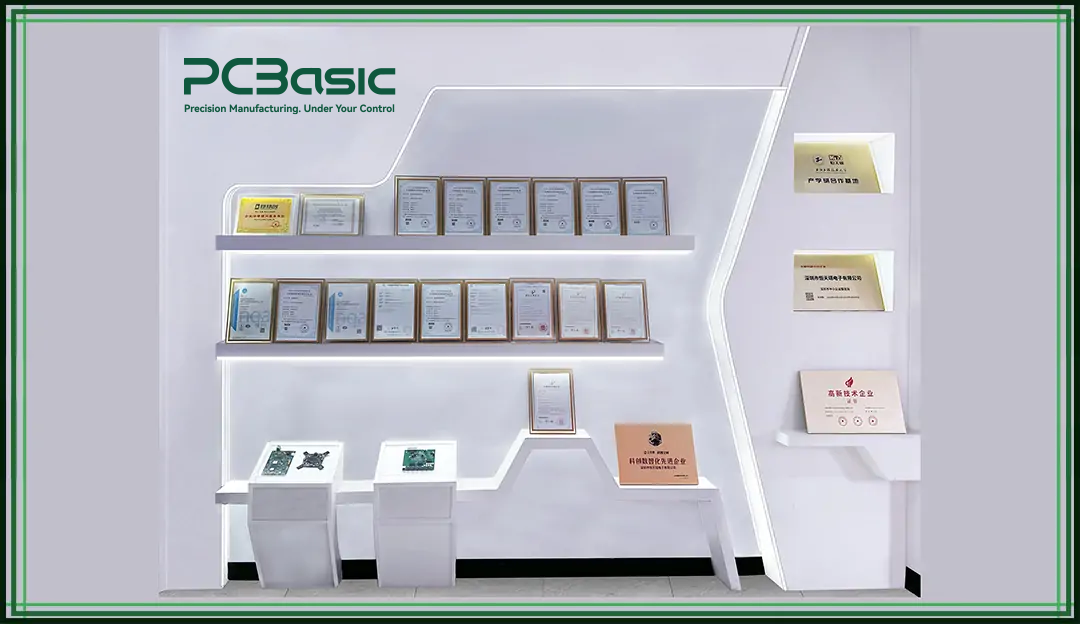
Certificates are not a substitute for project review, but they can show whether a supplier follows a controlled manufacturing process.
For industrial automation projects, buyers can review the following quality systems and certification experience:
|
Standard or Certification
|
What It Shows
|
When It Matters
|
|
ISO 9001
|
Quality management system
|
Basic supplier quality control
|
|
IPC workmanship standards
|
Assembly workmanship expectations
|
PCB assembly quality and soldering requirements
|
|
ISO 14001
|
Environmental management
|
Projects with environmental or compliance requirements
|
|
ISO 45001
|
Occupational health and safety management
|
Suppliers with controlled factory operations
|
|
IATF 16949 experience
|
Automotive quality management experience
|
Automotive-related industrial products
|
|
ISO 13485 experience
|
Medical device quality management experience
|
Medical or regulated healthcare products
|
Table 2. Quality systems and certifications for EMS partner selection
Traceability Should Be Easy to Explain
Ask how traceability works in daily production if a supplier says it has a traceability system:
• Can the team trace a component lot?
• Can it connect first article inspection records with a production batch?
• Can it show which inspection station found a defect?
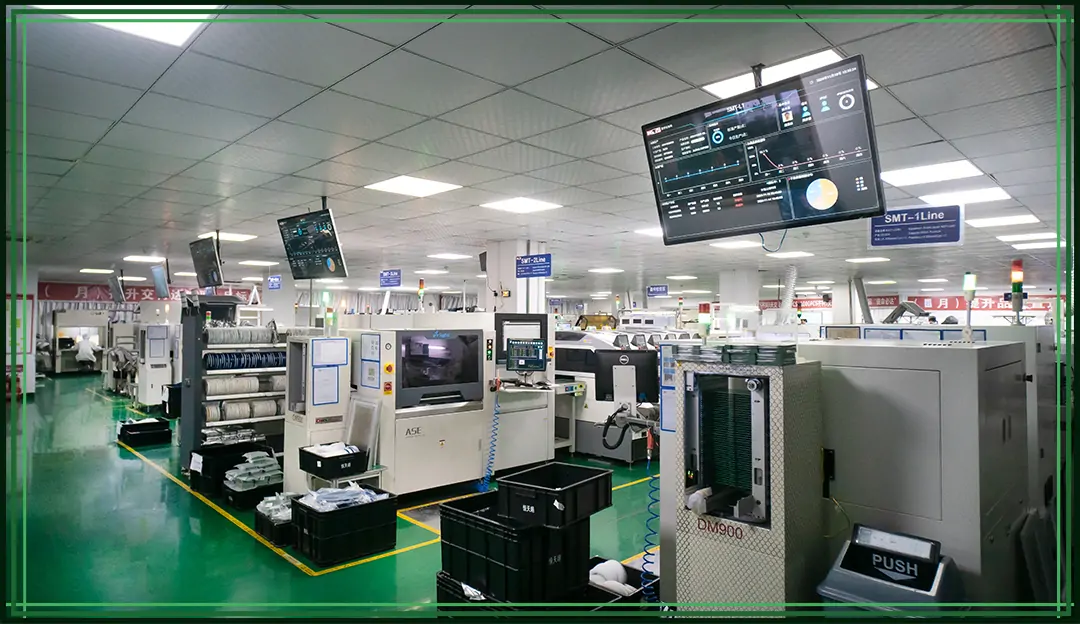
PCBasic can answer these questions because its traceability work is supported by self-developed MES, IQC checks, first article inspection, production tracking, and digital management. These records help connect components, inspection results, process steps, and batch information. The value is not in having system names, but in whether those systems can show what happened during production.
How Should Buyers Compare EMS Partners Before Awarding the Order?
When choosing an EMS partner, a quotation table is not enough for the industrial automation project. Buyers should look beyond price, MOQ, and lead time. A trusted and valued supplier should find design and assembly risks early, handle BOM and sourcing issues before they delay the order, and keep inspection, revision control, and communication clear as the project moves from sample build to batch production. And here are two actions that buyers can take in picking a supply partnership:
Use a Project-Based Request for Quotation (RFQ)
A useful RFQ includes Gerber files, BOM, assembly drawings, test requirements, enclosure information if available, expected volume, and compliance needs. If the buyer only asks for PCB assembly, the quote may cover only the board build. If the buyer explains the final automation device, the supplier can connect PCB assembly services, PCBA manufacturing, and box build assembly services into a clearer plan.
In real RFQ work, buyers often send the Gerber, BOM, enclosure drawing, and a rough test note separately. A capable EMS team turns those files into one build checklist before quoting.
Ask About Communication During Ramp-Up
Before production starts, ask how the supplier reports BOM risk, first article results, inspection findings, failed-unit handling, and schedule changes. If files are ready, share them through PCBasic's Contact Us form. For industrial automation projects, communication is part of quality control. It keeps engineering, purchasing, and production aligned while the order moves from sample to batch build.

Conclusion
Selecting an EMS partner for industrial automation is mainly about controlling handoffs. PCB fabrication, component sourcing, PCB Assembly, functional testing, and box build assembly all affect the finished product. A partner that connects these steps with traceability, IQC, first article control, inspection equipment, and suitable certifications gives the buyer better visibility from prototype to repeat production.
FAQs
Q1: What is the difference between PCB assembly and box build assembly?
A1: PCB assembly, also called PCBA, is the process of doing surface mount on a printed circuit board or to connect an IC with a printed circuit board. While box build assembly adds the enclosure, cables, labels, firmware loading, final functional testing, accessories, and packing when the project needs a more complete unit. Box build assembly is more comprehensive than PCB assembly.
Q2: Why is traceability important in industrial automation PCB assembly?
A2: Traceability connects components, process steps, inspection results, and batch records. It helps buyers review defects, manage revisions, and avoid mixing old and new versions during repeat production.
Q3: Which tests should buyers ask for in PCBA manufacturing?
A3: Common checks include SPI, AOI, X-ray for hidden solder joints, flying probe, first article testing, and functional testing. Notice: The final test plan should match the board design and application risk.